Workers find 40,000 Roman coins during house expansion in France
Headline and summary by local AI
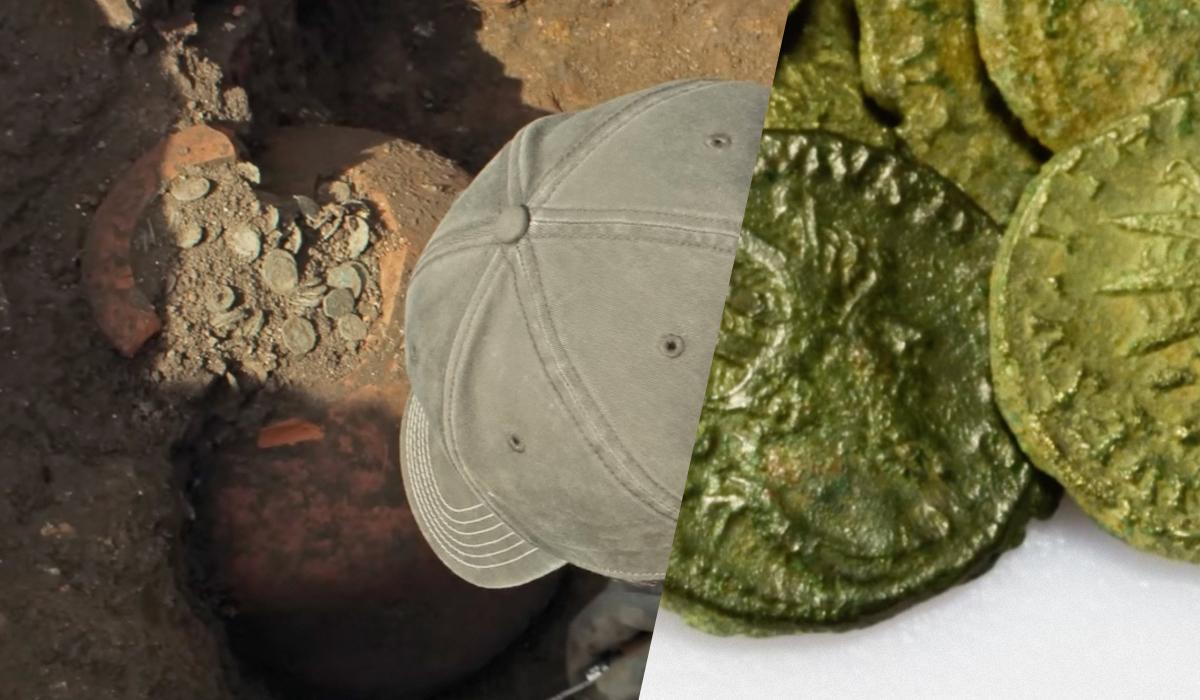
Construction workers and researchers discovered more than 40,000 Roman coins and ancient building remains during a construction project in Senon, a town in the Moselle department of northeastern France.
The excavation took place on a 1,500 square meter site where workers were expanding a house. The site also revealed remains of several houses, streets, and limestone quarries. Archaeologists found three caches of coins stored in pottery vessels within residential rooms. Researchers date these caches to between 280 and 310 AD.
The coins feature images of figures like Victorinus and Tetricus I and Tetricus II, who were linked to the Gallic Empire. These items are approximately 1,700 years old. The researchers believe the coins were in active use at the time they were hidden because the pottery was placed near the surface for easy access. Other finds in the area, including stone structures with ovens and courtyards, suggest the inhabitants were likely wealthy traders or craftsmen.
Selected and summarized by local AI How we work
Discovery: Archaeology, new knowledge of art, culture and history, forgotten history uncovered, something lost restored.
More in Discovery
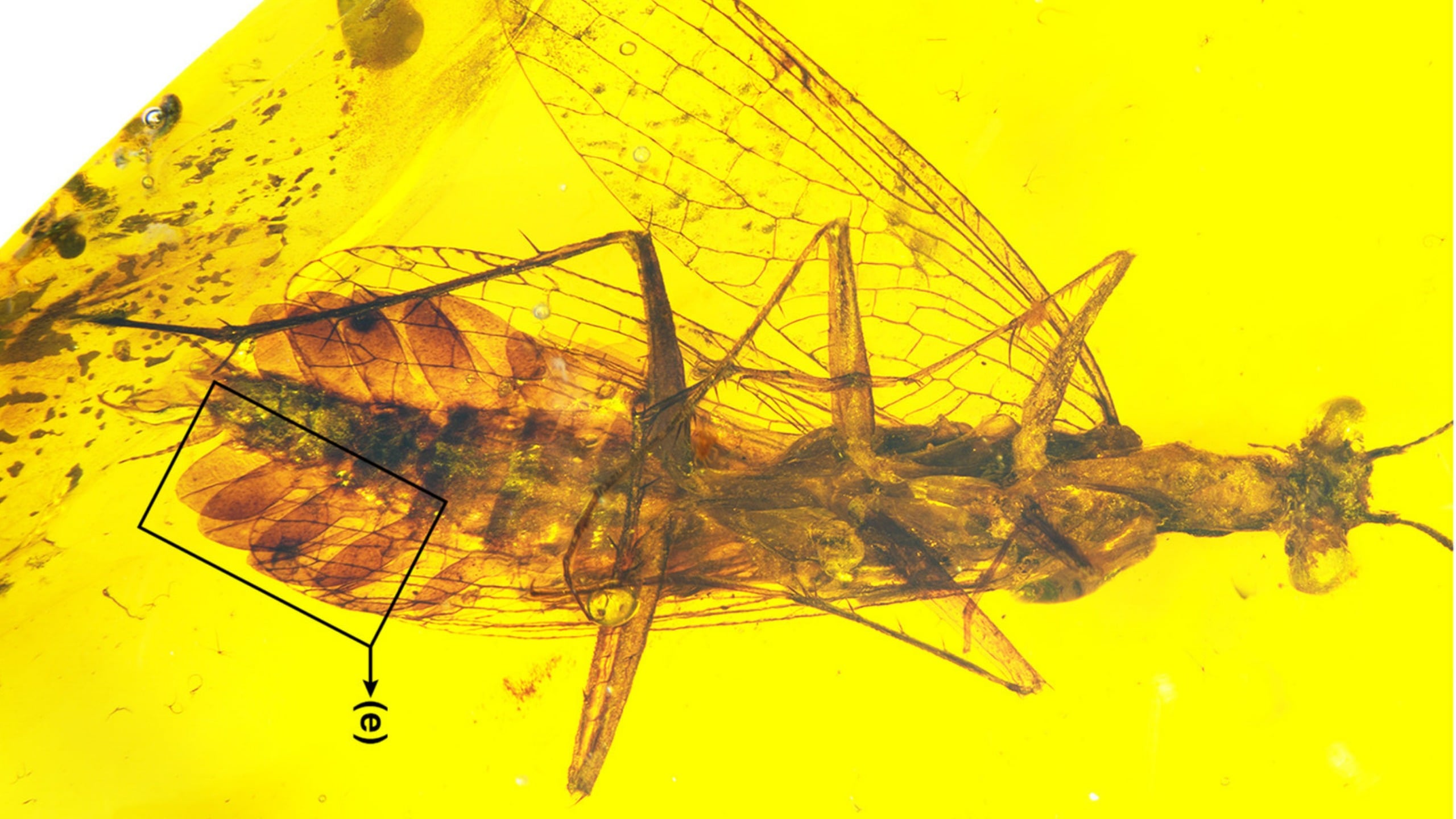
Scientists find 98-million-year-old mantis with leaf mimicry
sciencealert.com · 14 Nov 2026

American ornithological society recognizes Guatemalan motmot as independent species
es.mongabay.com · 21 Nov 2026
A 16th century manuscript of apocalyptic artworks heads to auction
smithsonianmag.com · 18 Nov 2026