Cheap solar Power challenges global energy networks
Summary and headline written by AI from the source article. How we work
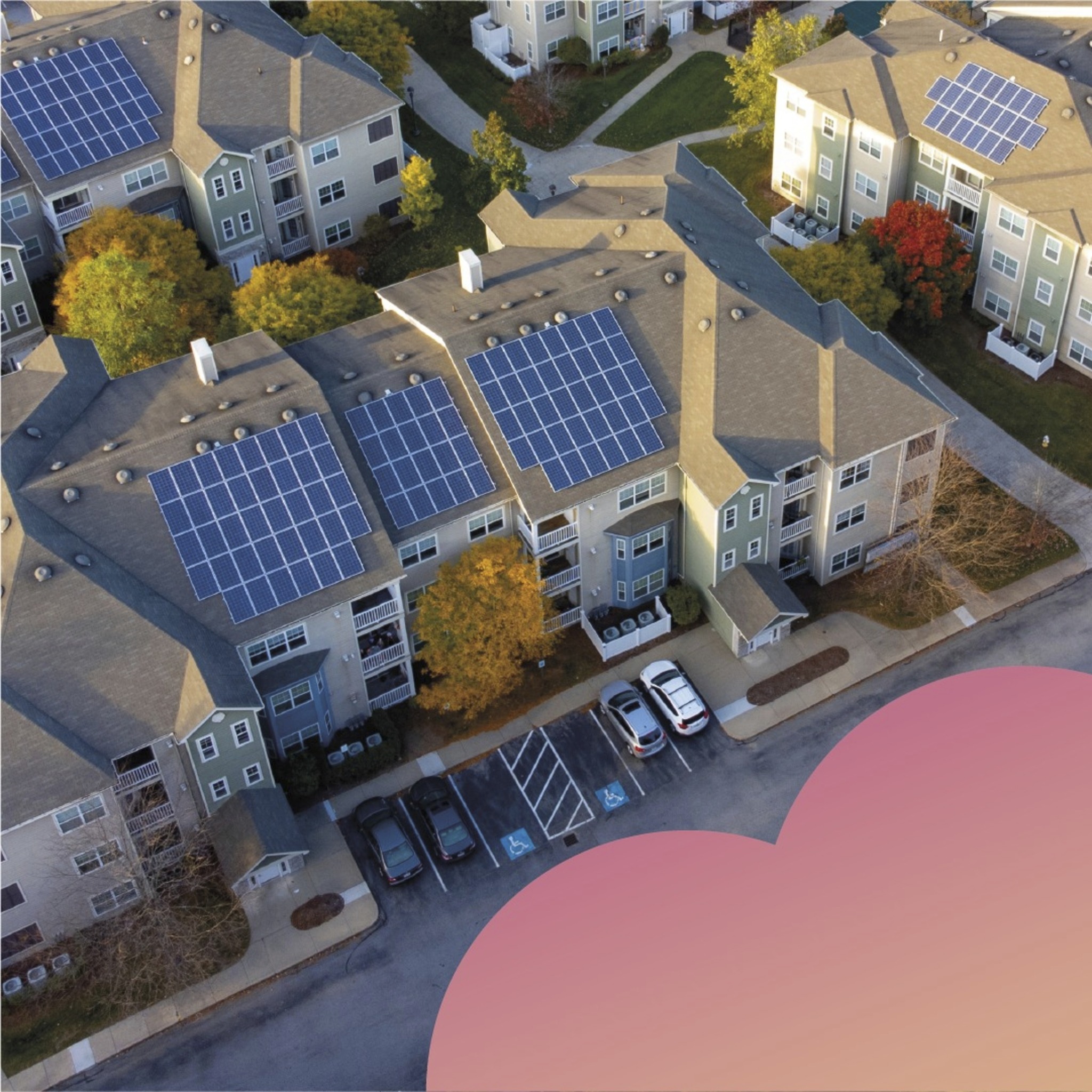
Millions of people worldwide are installing low-cost solar panels, primarily from China, reducing their energy bills and threatening traditional power grids.
Bestway Cement in Pakistan is adding solar capacity to its plant, aiming for over a quarter of its electricity from solar sources to compete with rivals.
This trend, driven by falling panel prices, now around 12 cents per watt compared to $5-6 at the start of the millennium, is expanding access to reliable electricity in poorer countries and lowering costs globally. However, this rapid growth of self-generated energy presents challenges. Existing electrical infrastructure wasn't designed for widespread solar generation, potentially impacting investment, pricing models, and grid security.
In countries like the UK and the US, readily available “plug-in” solar panels are raising concerns about forecasting and managing overall energy demand. A recent blackout in Spain and Portugal highlighted the need for electrical systems to adapt to increasing renewable energy sources. Energy companies are responding by redesigning tariffs and exploring new technologies. Eskom in South Africa is seeing a decline in electricity sales due to rooftop solar panels and is working to adapt its pricing structure.
Other companies are using artificial intelligence to better predict energy production and demand. While challenges remain, the trend towards decentralized energy generation appears set to continue, reshaping the energy landscape worldwide.