Ecuador to require car seats for children
Summary and headline written by AI from the source article. How we work
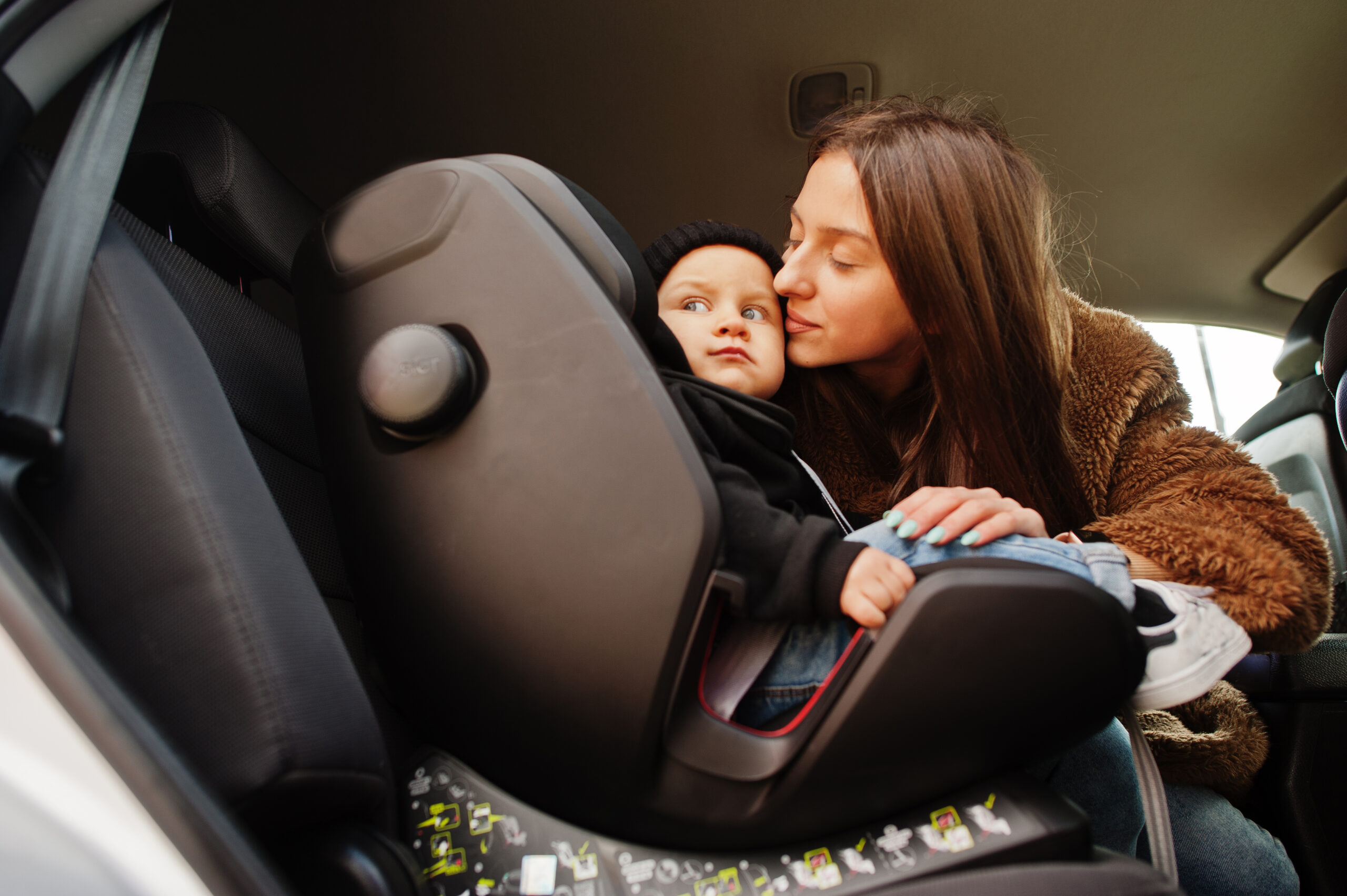
Ecuador’s National Assembly approved a reform to its Land Transportation, Transit and Road Safety Law that will require drivers to use approved child restraint systems when transporting children in private vehicles.
Currently, the Organic Comprehensive Penal Code fines drivers about $48 for not securing children appropriately in vehicles, but the law did not clearly define what those “appropriate measures” were.
The reform specifically defines “child restraint systems” to include car seats, infant carriers, and booster seats, setting standards for their use based on international guidelines. Andrea Cordero, a child passenger safety technician, explained that the previous law only stated children under 12 should ride in the back seat with safety measures, but didn’t specify what those were. This change clarifies the requirements and emphasizes that seatbelts alone are not sufficient for protecting young passengers.
The reform also seeks to eliminate import taxes on car seats, currently adding as much as 50% to the price, to make them more affordable for families. According to the National Highway Traffic Safety Administration, child restraint systems can reduce the risk of death by 75% to 80% and lessen the risk of injury by up to 90%.
In 2024, Ecuador recorded 51 traffic-related deaths of children under nine years old and 344 injuries in that age group, highlighting the need for improved safety measures. If the reform receives presidential approval, the new law will come into effect, aiming to protect more young lives on Ecuadorian roads.


