Spanish doctors develop “lifetime” organ transplants without rejection
Summary and headline written by AI from the source article. How we work
Doctors at the La Paz Hospital in Spain are pioneering a new transplant technique that allows the recipient’s immune system to accept organs as their own.
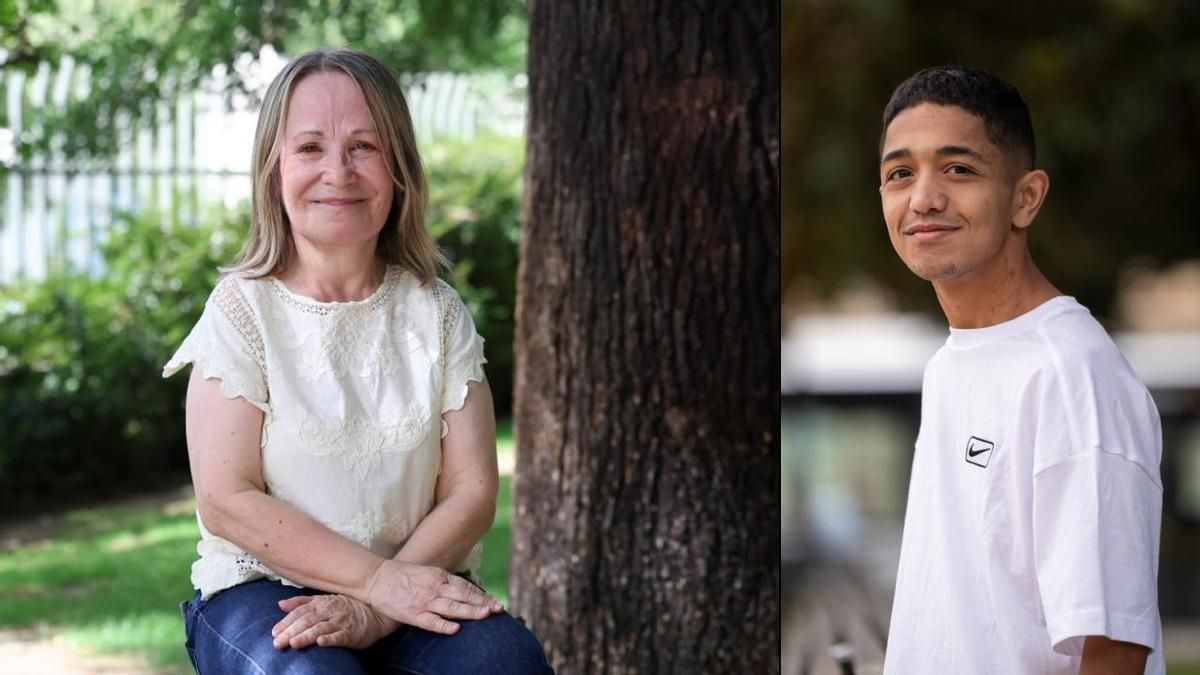
In 2020, Yassine, a 15-year-old, and Nora, a 49-year-old woman, faced life-threatening complications after previous organ transplants failed. Six years later, both are healthy following transplants using this experimental method, which avoids the need for lifelong immunosuppressant drugs.
The team, led by oncologist Antonio Pérez Martínez and surgeon Francisco Hernández-Oliveros, developed a “double transplant” process. They extract not only the organ from the donor, but also stem cells from their bone marrow or blood. These cells are then refined into an “immunological cocktail” administered to the recipient over several months. This “immunological passport” helps the patient’s body recognize the new organ as self, fostering coexistence between the donor and recipient’s immune systems.
Beatriz Domínguez-Gil, director of the Organización Nacional de Trasplantes (ONT), believes this method could eliminate the need for immunosuppression, radically improving the lives of transplant patients. Currently, organ durability is limited, and the lifelong immunosuppression carries risks of tumors and other side effects. The team is now conducting a Phase I clinical trial to evaluate the procedure on ten more patients and hopes to make this a standard practice.