Isaki Lacuesta reclaims flamenco as a symbol of modernity and avant-garde
Headline and summary by local AI
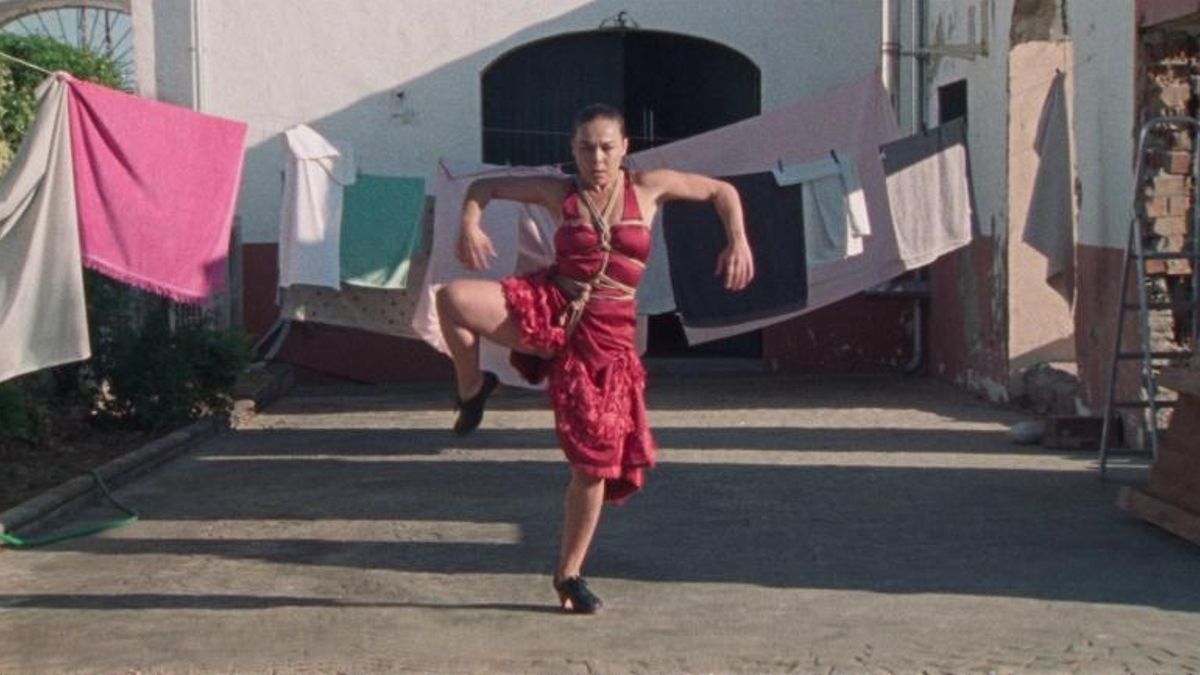
Director Isaki Lacuesta released a documentary titled Jaleos to challenge the perception of flamenco as a purely traditional or stagnant folk art.
The film uses texts by Pedro G. Romero and features voices from figures such as Alba Flores, C. Tangana, and Rocío Molina to explore the genre's complex history. Lacuesta aims to strip away the "dust" of official narratives that linked the music primarily to Spanish nationalism during the Franco era.
The filmmaker argues that flamenco has always been connected to modernity and technological advancement. He points out that the first woman ever filmed in 1894 was Carmencita, a flamenco dancer, showing that the art form was at the forefront of cinema's birth. Lacuesta highlights how flamenco has historically captivated avant-garde artists like Man Ray and shared cultural roots with Paris and the Americas.
He notes that even the cajón, a percussion instrument commonly associated with flamenco today, only entered the scene in the 1970s via a Brazilian musician from Peru. Jaleos also examines the contradictions of flamenco's representation in media. The documentary includes footage from Leni Riefenstahl's film Tierra baja, where the Nazi regime consumed flamenco as entertainment while simultaneously persecuting the Romani people. Lacuesta uses these examples to show how the art form coexists between popular, "crude" depictions and experimental, vanguardist expressions.
He concludes that flamenco's history is defined by this constant tension between the traditional and the revolutionary.
Selected and summarized by local AI How we work