Bangladeshi garment maker adapts to energy crisis
Summary and headline written by AI from the source article. How we work
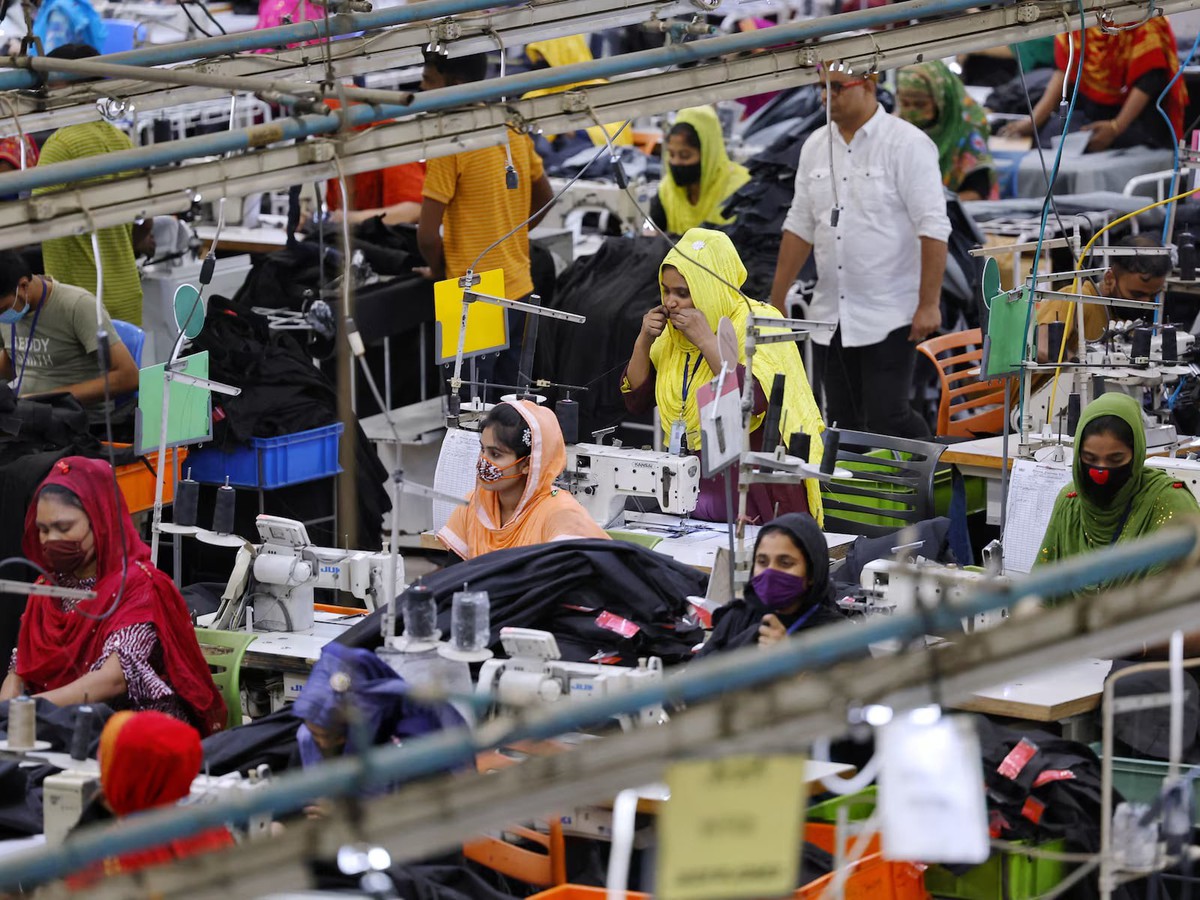
4A, a garment factory in Bangladesh, has taken steps to protect its operations from energy shortages impacting the country’s manufacturing sector.
Since 2019, the factory has generated its own power, including through solar panels, a strategy uncommon in Bangladesh’s garment industry, which is the world’s second-largest exporter after China.
Recent surveys show that most knitwear factories in Bangladesh have experienced order cancellations or production halts due to gas and power shortages since late August, with many reporting shipment delays and discounted prices. 4A currently meets around 40% of its electricity needs through solar power and the rest through its own gas and diesel generators.
While rising diesel prices have increased 4A’s production costs by 2 to 3%, adding 5 million taka ($40,950) to its monthly fuel bill, the company has been able to absorb these costs. Abdullah Hil Nakib, a co-owner of 4A, explained they avoided relying on a single energy source and maintained backups. Looking ahead, 4A plans to install an industrial-scale battery system to ensure continued operations during power outages.
Bangladesh’s power minister stated that soaring gas import costs are hindering industrial growth and diverting funds from development projects. The ready-made garment sector is vital to Bangladesh’s economy, accounting for over 80% of export earnings and employing approximately 4 million people.