Singapore joins regional effort to preserve zapin dance
Summary and headline written by AI from the source article. How we work
Singapore, alongside Brunei, Indonesia, and Malaysia, will nominate zapin, a traditional Malay dance, for UNESCO’s intangible cultural heritage list by March 2027.
The National Heritage Board (NHB) announced the joint bid, highlighting zapin’s deep cultural roots and strong community involvement across the region. This nomination marks Singapore’s fourth attempt to have a cultural element recognised by UNESCO, following successful inscriptions of hawker culture and the kebaya.
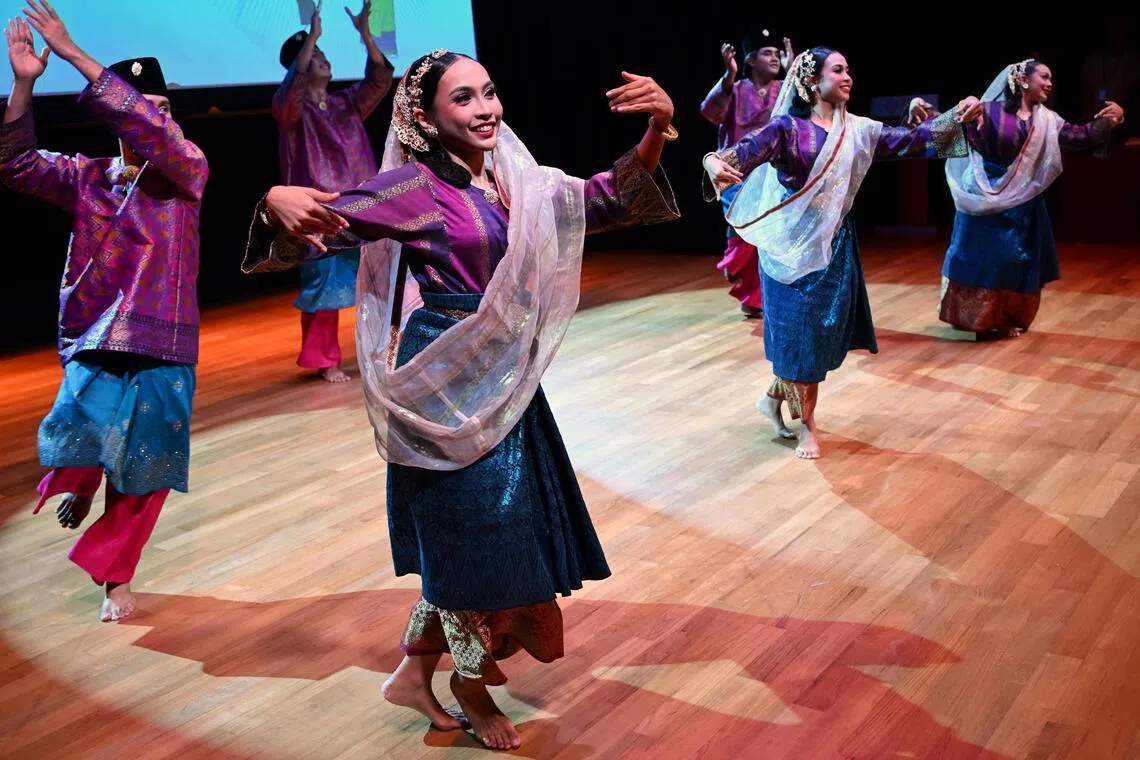
Zapin originated in the Malay Archipelago between the 13th and 15th centuries, brought by Arab Muslim communities, and is characterised by lively movements performed with instruments like the gambus and rebana. In Singapore, the dance is one of five common forms within the Malay dance community and has evolved over time, with local choreographers like Liau Ah Choon creating unique subgenres such as Zapin Asyik.
Currently, zapin thrives through dedicated performing arts groups and educational institutions, which mentor new dancers and share the art form with wider audiences. Practitioners emphasize that zapin transmits values like respect and humility, and that regional variations demonstrate the richness of Malay arts. The NHB will gather community input and document the dance form to support the nomination, hoping to inspire future generations to continue this living heritage.