Solar kits aid displaced people and disaster relief
Summary and headline written by AI from the source article. How we work
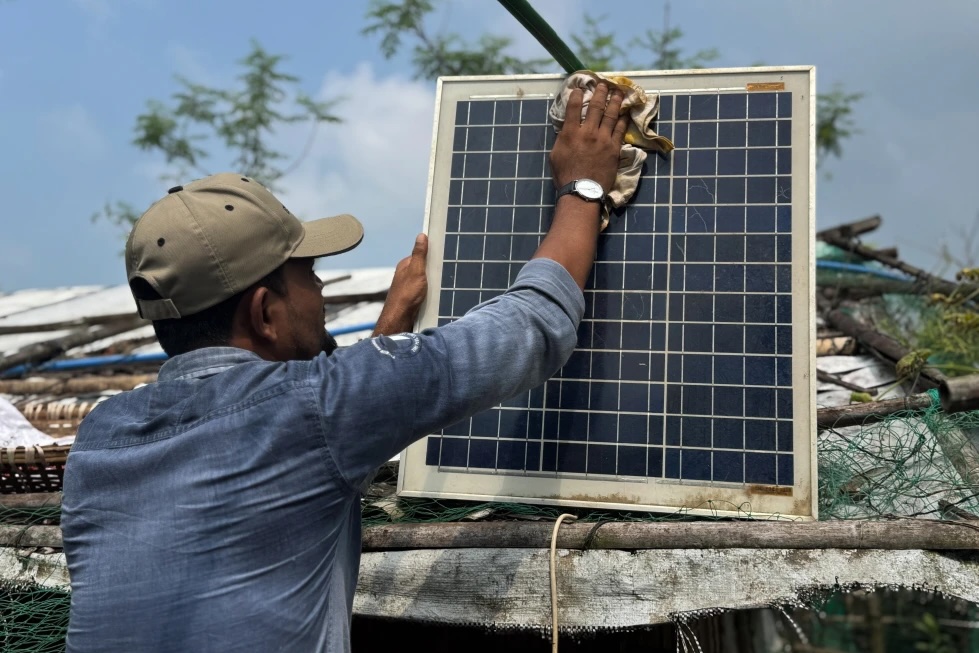
Mohammed Saber, a Rohingya refugee in Bangladesh, uses a solar kit provided as humanitarian aid to power his family’s home.
In 2017, Saber and his family fled Myanmar during a military crackdown and have lived in a refugee camp in Teknaf, Bangladesh ever since. The solar kit has allowed them to charge phones, cook, and study at night.
Experts note that solar energy is increasingly used in disaster relief around the world, from flood zones in Nepal to refugee camps in Africa and war-torn Ukraine. These portable, rechargeable solar kits, ranging from lanterns to home systems, are easy to deploy in emergencies, especially where infrastructure is damaged or inaccessible. Falling costs and technological advancements have made solar energy a more affordable and practical option.
Organizations like Doctors Without Borders are using solar power in clinics, and the U.N. migration agency installed solar-powered water filtration in South Sudan. However, integrating solar energy into disaster relief faces challenges. Aid agencies are accustomed to established systems using diesel generators, and switching to solar requires new distribution networks. Reduced international funding and a loss of technical expertise within the humanitarian sector are also hindering progress.
Despite these obstacles, groups like Hope For Ukraine aim to distribute thousands of solar kits, though demand far exceeds their current capacity.