Thailand grants refugees right to work after decades
Summary and headline written by AI from the source article. How we work
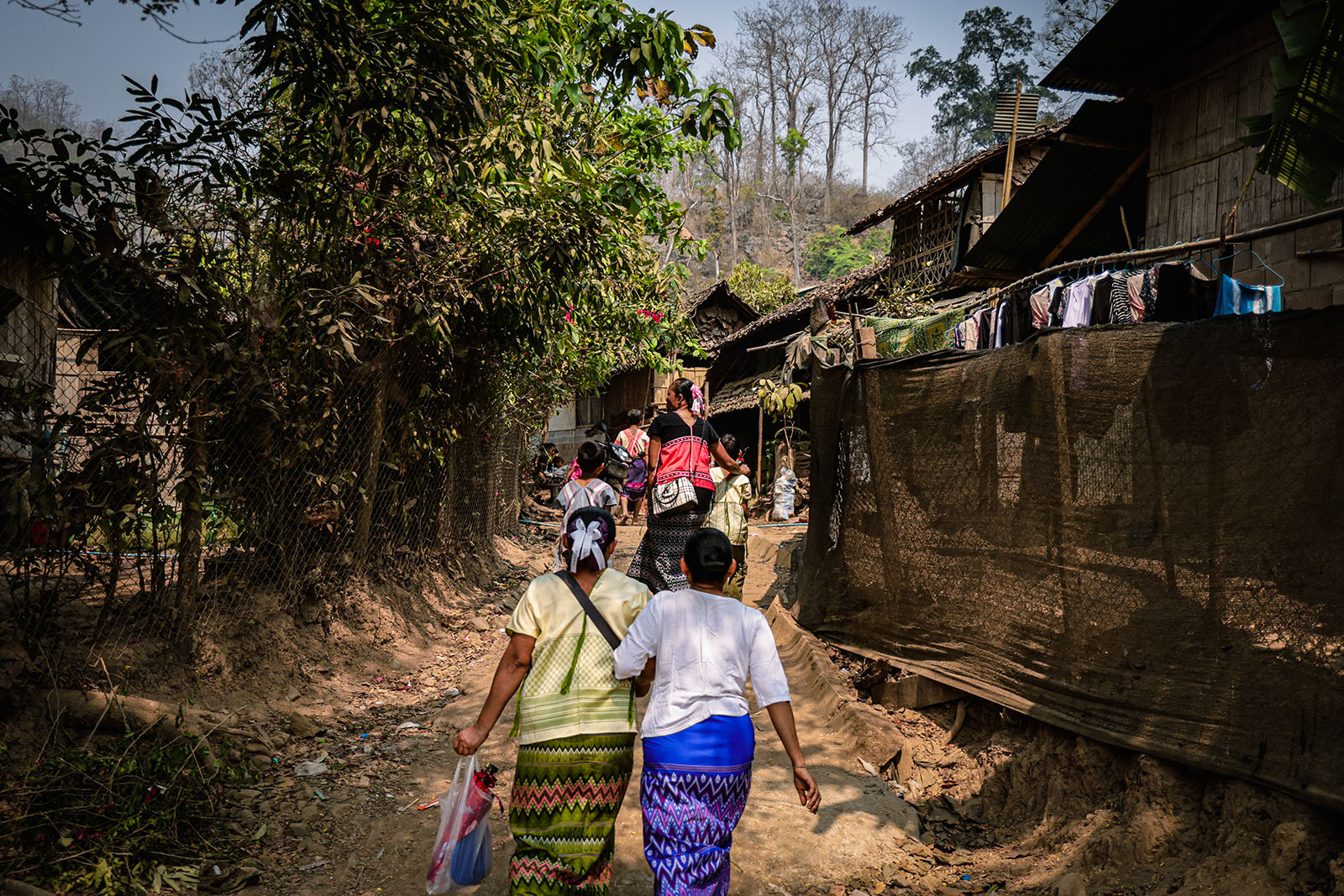
Since October of last year, thousands of refugees living along the Thai-Myanmar border have been legally allowed to seek employment outside of their refugee camps.
For nearly twenty years, Ko Chit lived in the Mae La refugee camp in northwestern Thailand before beginning work at a poultry plant in Lopburi province. This change follows Thailand’s parliament approving a resolution in August 2025 ending a decades-old ban on refugees taking legal jobs.
The policy shift comes as humanitarian funding for the nine refugee camps has decreased, with over 80 percent of Mae La residents no longer receiving food assistance. More than 6,000 refugees have left the camps for work, though this represents a small fraction of the approximately 80,000 refugees residing there. The Border Consortium and UNHCR both describe the change as a positive step toward self-reliance for refugees, who receive full legal protections and minimum wage.
However, the transition hasn’t been seamless. Saw Htoo returned to Mae La after three months at a factory in Samut Prakan, citing high deductions for rent and utilities and the difficulty of learning a new trade. Aid workers note a mismatch between the skills taught in camp vocational courses and the demand for general laborers, particularly steel benders.
While the government is issuing identification and displacement cards to facilitate access to services, refugee status remains legally distinct from that of migrant workers, creating some challenges.