Glucose sensors accepted by people with mental illness
Summary and headline written by AI from the source article. How we work
Researchers in the UK studied whether people living with serious mental illness, like schizophrenia and bipolar disorder, could use continuous glucose monitors (CGMs).
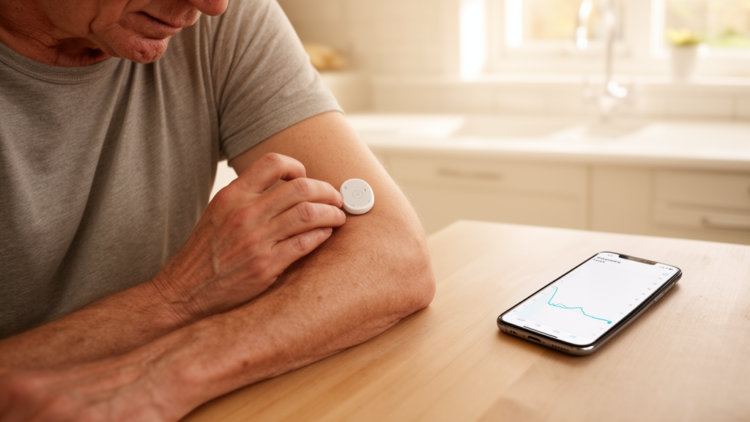
The University of Sheffield led a study involving 21 adults with both mental illness and type 2 diabetes, recruiting from six NHS mental health trusts. Participants first completed a self-management program, then wore a blinded FreeStyle LibrePro sensor, which records glucose levels without displaying them to the wearer, for up to 14 days.
The study found high acceptance of the sensors, with 16 of 21 eligible participants agreeing to wear one. Participants used the sensors for an average of 11 days, and the devices captured usable data for 92.8 percent of the time. Researchers reported no negative effects on participants’ mental or physical health. Interviews with nine participants revealed they found the sensors easy to integrate into their daily lives, and many preferred them to traditional finger-prick blood tests.
Participants also expressed a desire to contribute to research that could help others, which positively influenced their experience with the technology. While the study was small and used a research-only version of the sensor, the results suggest that people with serious mental illness are willing to use CGMs, and that the technology could help improve their diabetes management and overall health.
Researchers caution further studies are needed to confirm these findings and to determine how to best implement CGMs in clinical settings.