Conservationists treat thousands of acres to stop invasive grass in Wyoming
Headline and summary by local AI
Carbon County Weed and Pest treated more than 8,700 acres along the western slope of the Mullen Fire burn scar in Wyoming in 2026.
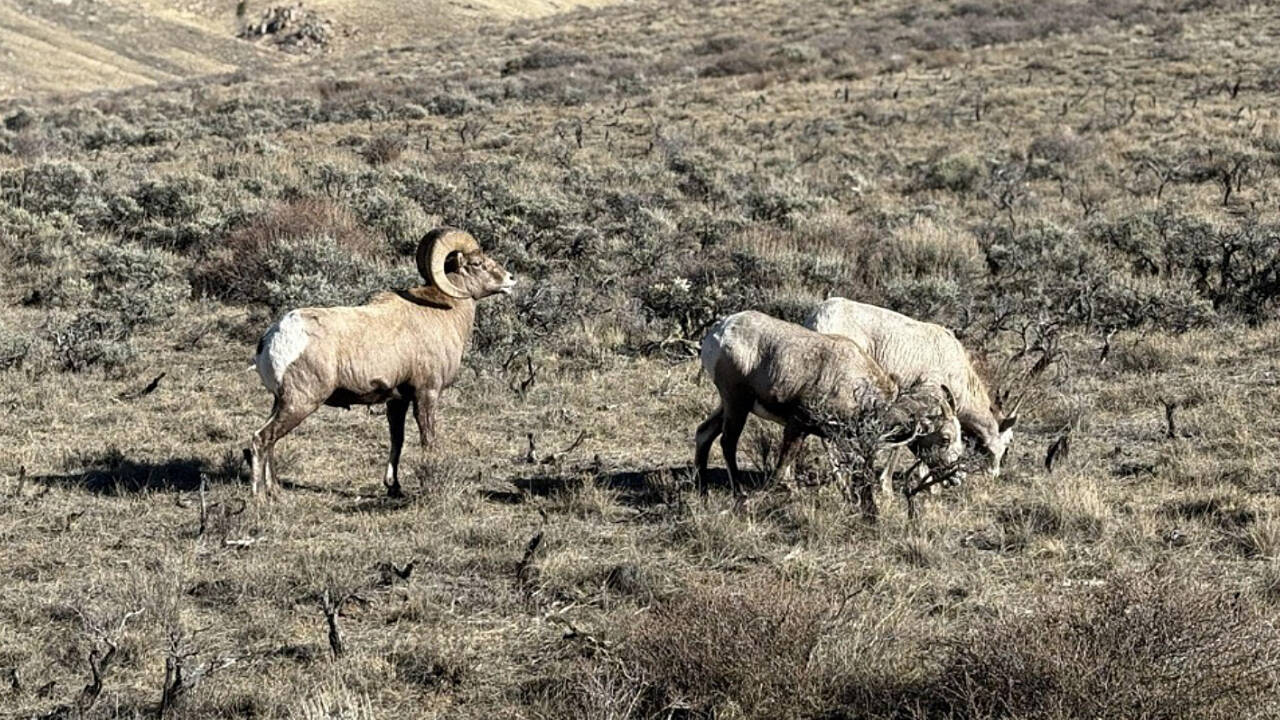
This effort aims to control cheatgrass, an invasive annual grass that thrives in disturbed soil and threatens to crowd out native plants. The treatment specifically protects habitat for the Douglas Creek bighorn sheep herd and other local wildlife. The Mullen Fire burned approximately 176,850 acres in the Medicine Bow-Routt National Forest in 2020.
The Wild Sheep Foundation reported that the fire severely damaged the habitat of the Douglas Creek bighorn sheep and the Sheep Mountain and Platte Valley mule deer herds. Because cheatgrass can capture early spring moisture more effectively than native perennial grasses, it quickly began to dominate the scorched landscape. Land managers previously sprayed over 17,100 acres with a herbicide called indaziflam between 2021 and 2023.
While these efforts reduced cheatgrass in many areas, managers found that the grass returned in 2024 in spots where the original application was incomplete. To address these gaps, the Wild Sheep Foundation and its affiliates pledged $213,500 to fund a retreatment initiative. Researchers at the University of Wyoming are currently studying how the fire and cheatgrass affect soil microorganisms. They found that many native plants rely on mycorrhizal fungi to get nutrients and water, while cheatgrass does not.
This allows the invasive grass to establish itself more easily in fire-disturbed environments where those fungi have been reduced. Workers plan to treat another 6,000 acres in 2027 to continue the restoration of the ecosystem.
Selected and summarized by local AI How we work
Recovery: Ecosystems recovering, species returning, nature thriving or newly found, and protection already in force.