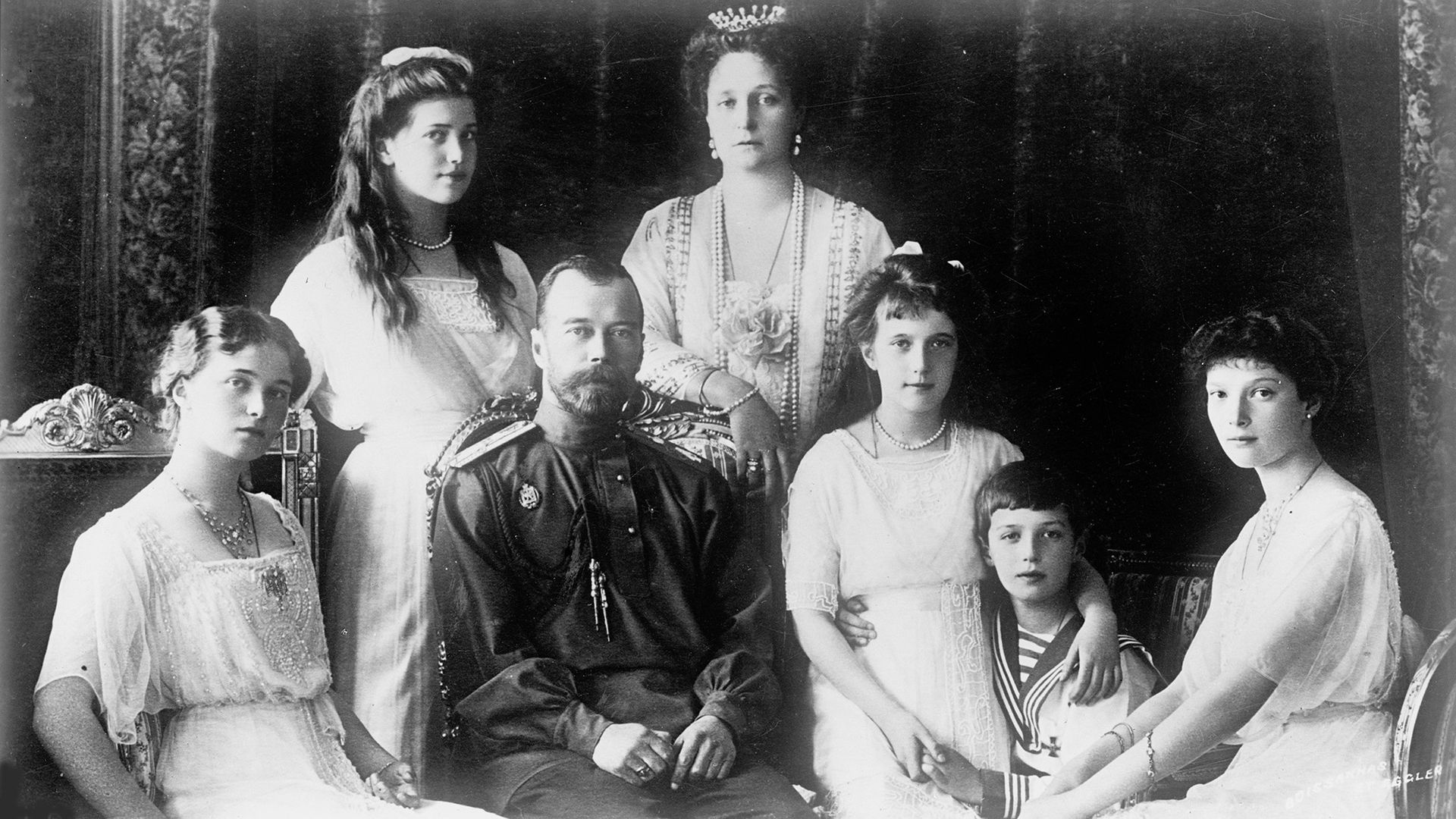
King ran bahadur Shah defied social norms to marry a Brahmin widow

Headline and summary by local AI
King Ran Bahadur Shah of Nepal married Kantivati, a Brahmin woman from Bindhi village, challenging strict social and religious traditions of the time.
Kantivati had previously been widowed, and her remarriage was considered unacceptable by the prevailing social norms of the era. The marriage was further complicated by the fact that a Khetri king marrying a Brahmin woman questioned established caste rules.
Despite these hurdles, the king chose to marry her after meeting her at Pashupatinath, a Hindu temple in Kathmandu. Kantivati initially refused the proposal because she believed remarrying as a devoted widow was against religious law. She eventually agreed to the marriage after the king persisted for six months. The marriage involved a specific agreement regarding succession. Kantivati required that any child she bore would become the heir to the throne.
The king accepted this condition, which shifted the focus away from the children of his other queens, such as Ranoddyot Shah. This decision created internal friction within the royal court. To secure the throne for his son, Girwarjudya Vikram Shah, the king used political strategies, including involving the King of Palpa to perform the coronation. Following Kantivati's death in 1856, King Ran Bahadur Shah reacted with extreme anger.
He became frustrated with religious figures and physicians who failed to cure her illness. The king ordered the destruction of various idols and temples in Kathmandu and punished the doctors involved in her treatment. These events, combined with the unconventional marriage, contributed to the king's controversial reputation in Nepali history.
Selected and summarized by local AI How we work
Discovery: Archaeology, new knowledge of art, culture and history, forgotten history uncovered, something lost restored.