DNA analysis identifies executed members of the Russian imperial family
Headline and summary by local AI
Scientists used DNA evidence to identify the remains of the Romanov imperial family, who were executed by Bolsheviks in 1918.
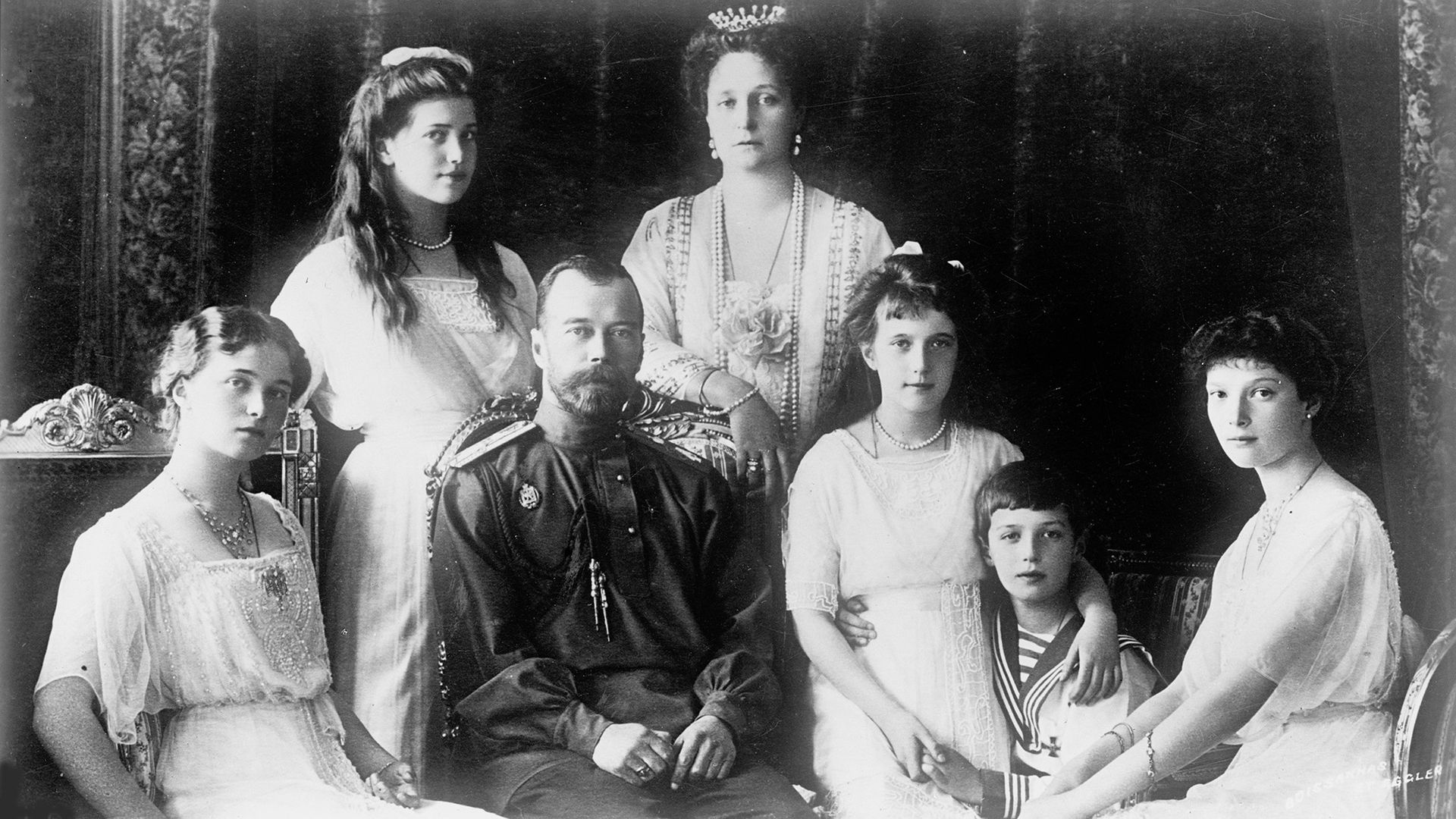
Following the Russian Revolution in 1917, Tsar Nicholas II and his family were moved to Ipatiev House in Yekaterinburg. In July 1918, the Bolsheviks executed the Tsar, his wife, their children, and several staff members.
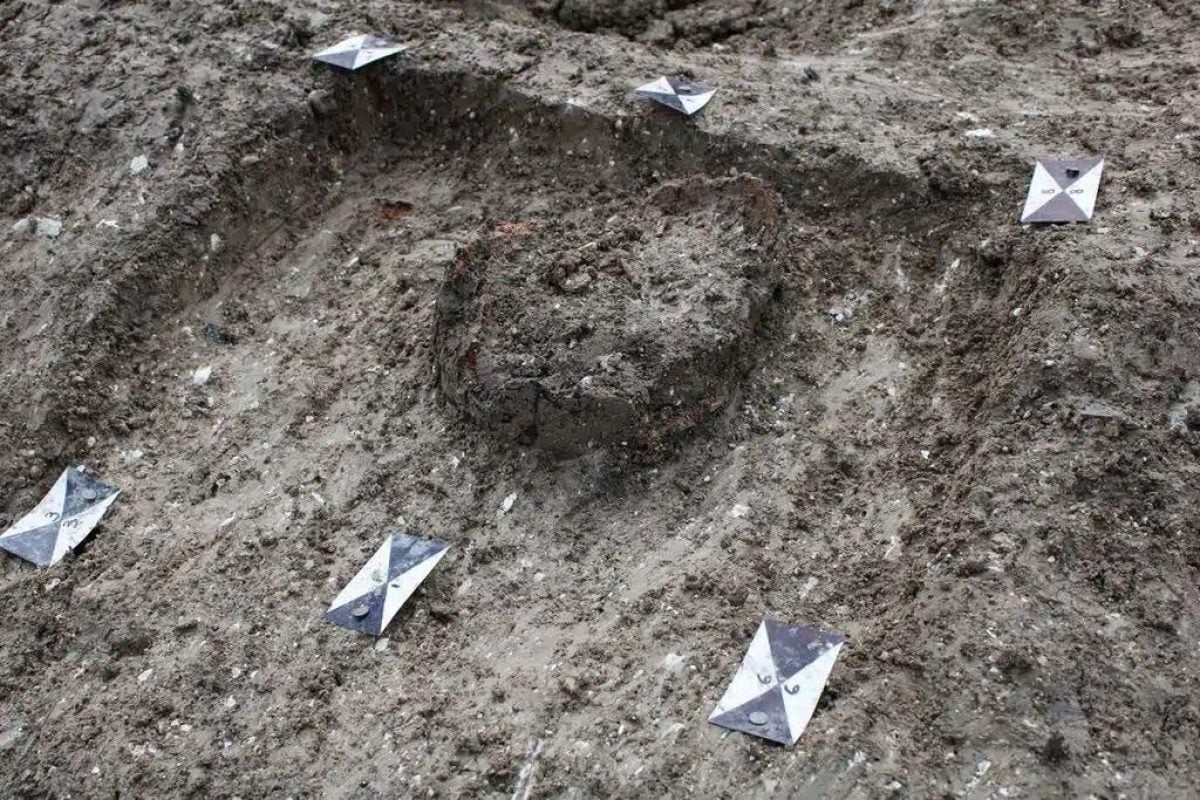
The group buried the bodies in a secret location and used sulphuric acid to disfigure the remains, causing the grave's location to remain lost for over 70 years. In 1991, forensic teams discovered a shallow grave containing nine skeletons near Yekaterinburg. While researchers identified some remains as aristocratic due to expensive dental work involving gold and platinum, they could not initially confirm the identities of all members.
A team in the U.K. used mitochondrial DNA analysis to compare the remains against living relatives. Because mitochondrial DNA is passed from mothers to children, researchers needed samples from the female line of the royal family. The late Prince Philip of the U.K. provided a DNA sample because he was related to the tsarina through the female line. His mitochondrial DNA matched the remains of the tsarina and her daughters.
Researchers also tested living relatives of the tsar and his brother, Georgij, to confirm the findings. In 2007, amateur archaeologists found two more bodies nearby. DNA and Y-chromosome testing confirmed these were the missing children, Prince Alexei and one of the daughters.
Selected and summarized by local AI How we work