Prehistoric elephant jaw found in Madhya Pradesh
Headline and summary by local AI
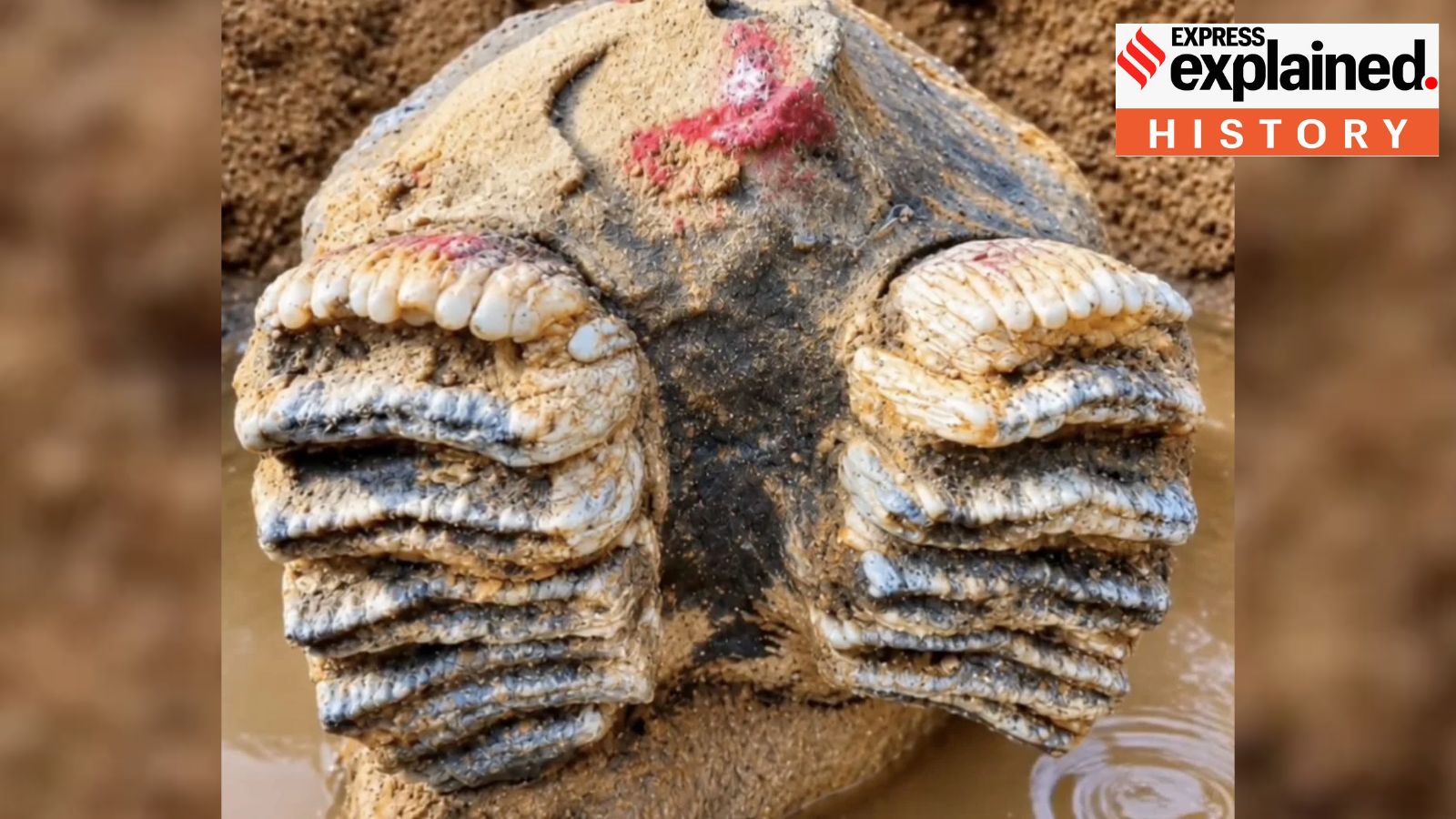
Researchers identified the fossilised jaw of a prehistoric elephant in the Raisen district of Madhya Pradesh, India.
The remains were exposed by erosion along the Narmada river near Patai village. A team of scientists, including Dr Ravi Upadhyay, examined the find and suggested it likely belongs to the Palaeoloxodon namadicus, a species of extinct straight-tusked elephant. The jaw measures approximately 75 cm in length and 25 cm in width.
Experts believe the animal was a juvenile because the molars show only six to seven rows of ridges. The geological context of the find, specifically the yellowish soil of the Baneta formation, suggests the remains date back to the Pleistocene period. This era covers a timeframe from approximately 700,000 years ago to 30,000 years ago. Scientists noted other mineralised bone fragments nearby, which could indicate a larger fossil-bearing site.
They suggested that a systematic excavation might reveal a complete skeleton or fossils of other prehistoric animals, such as horses or rhinoceroses. The Geological Survey of India will submit a final report to the local administration to coordinate further research and protect the site.
Selected and summarized by local AI How we work
Discovery: Archaeology, new knowledge of art, culture and history, forgotten history uncovered, something lost restored.