New guide details India’s mammal diversity
Summary and headline written by AI from the source article. How we work
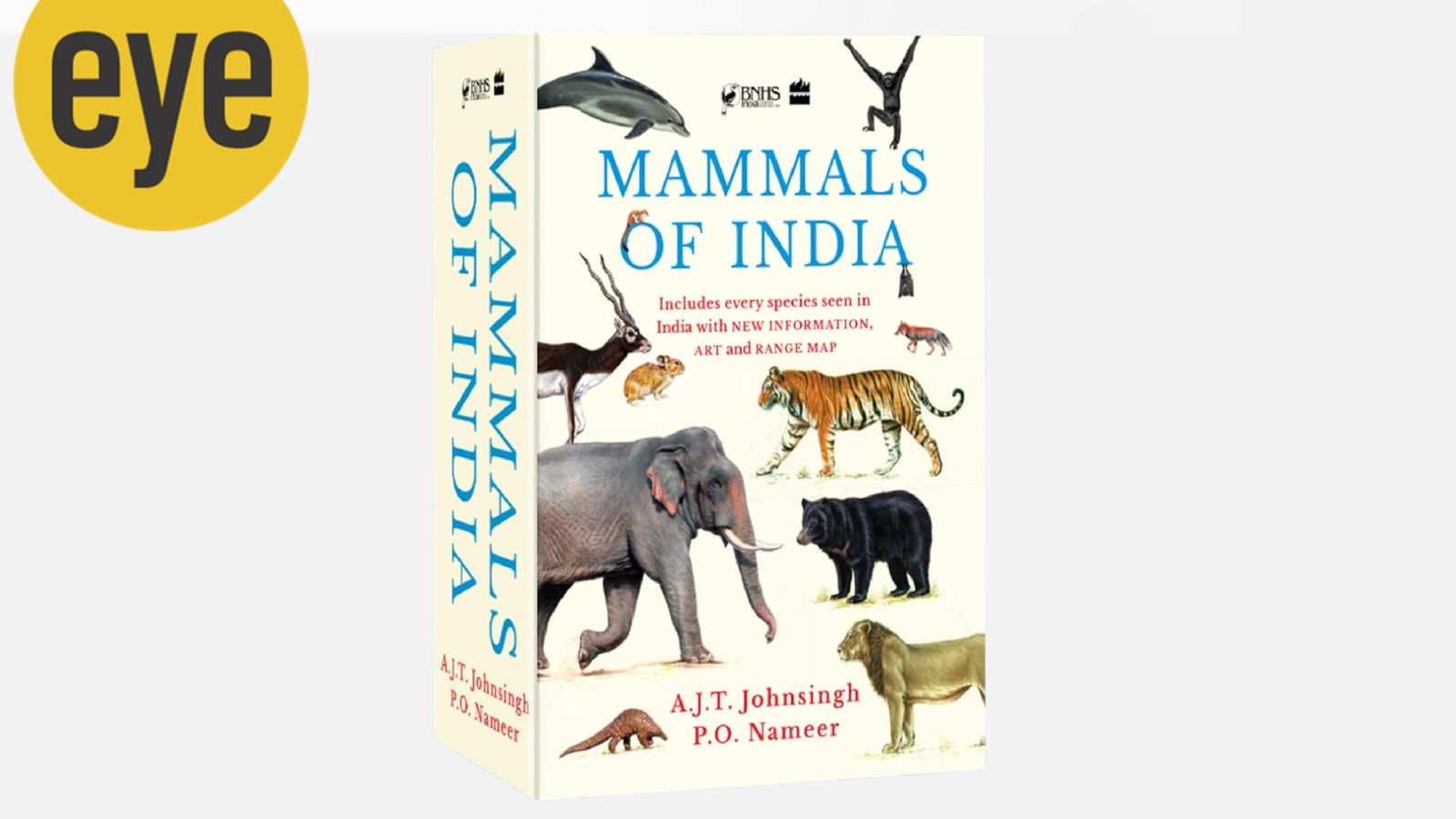
Asir Jawahar Thomas and PO Nameer collaborated to create Mammals of India, a comprehensive 800-page guide detailing the 454 mammal species found in India.
Thomas, a renowned vertebrate ecologist, began the work before his death in June 2024. Nameer, a professor of Wildlife Science at Kerala Agricultural University, continued the project, building on decades of combined experience. The book catalogues mammals across India’s diverse environments, from terrestrial to aquatic species. Raghunath Rangaswamy created distribution maps and Chirag Thumbar provided illustrations.
The authors drew on historical literature dating back to 1888, along with recent scientific findings from journals and natural history museums in England and the United States. Beyond simply identifying species, the guide outlines conservation challenges facing keystone animals like elephants, tigers, leopards, and bears. It also gives detailed attention to bats, of which India has 135 species, highlighting threats such as habitat loss and climate change, and urging increased research into these often-misunderstood animals.
The book also traces the evolution of mammals in India, explaining how geological events like the Pleistocene epoch shaped current biodiversity. Nameer explained that the project began in 2018 as an update to an older work, but ultimately became a new volume reflecting their extensive expertise.