Ancient arrows in Uzbekistan may rewrite human history
Summary and headline written by AI from the source article. How we work
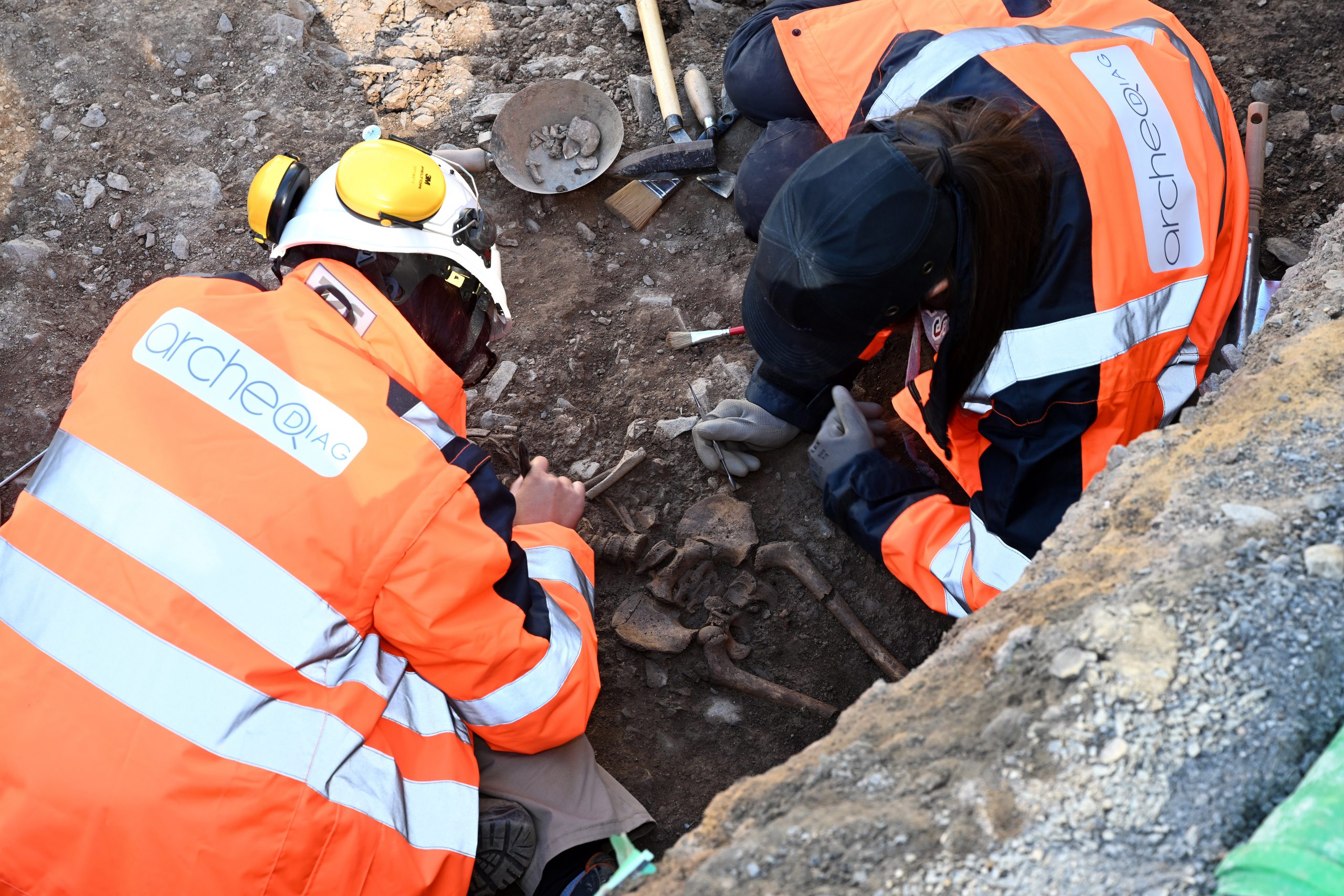
Archaeologists working in the Tian Shan mountains of northeastern Uzbekistan discovered small arrowheads at an elevation of 1,200 meters.
A 2025 study of the “Obi-Rahmat” site revealed these artifacts do not align with tools made by Neanderthals but resemble later examples created by Homo sapiens. Researchers believe this indicates Homo sapiens lived in Central Asia 80,000 years ago, which is 35,000 years earlier than previously thought for direct migration from Africa.
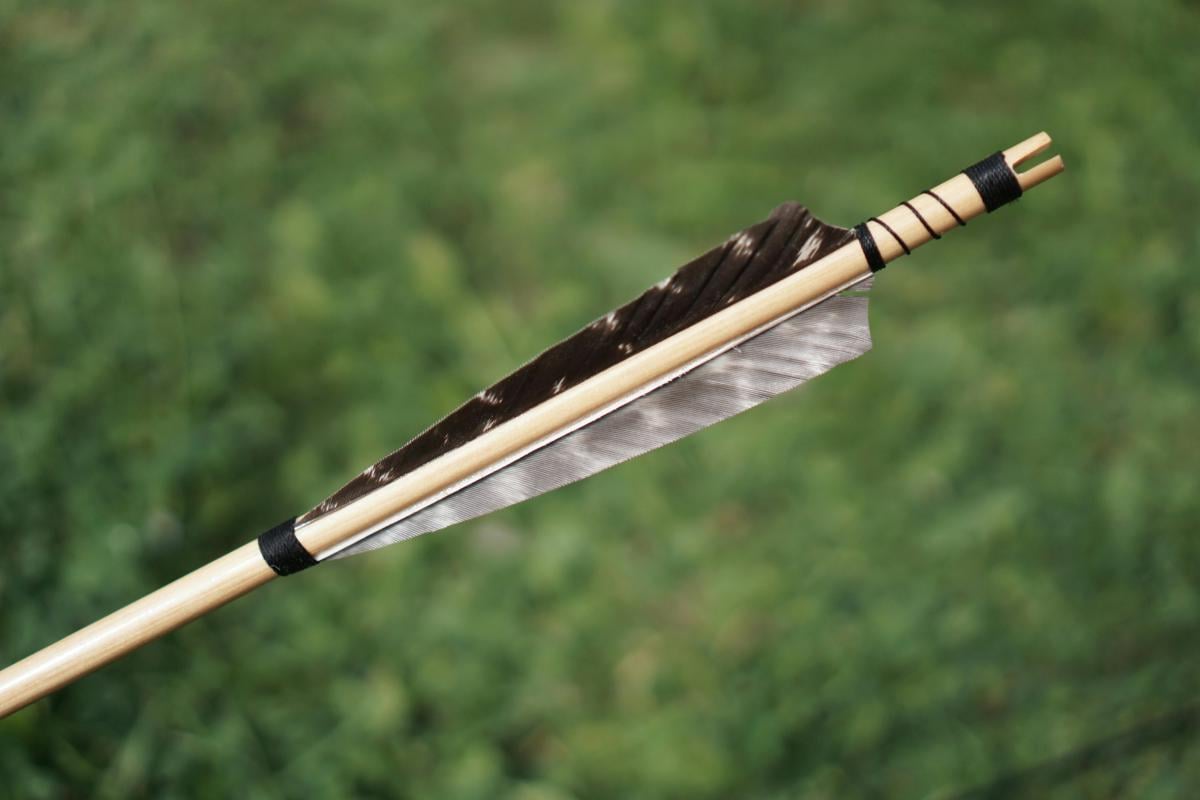
The team examined historical layers at Obi-Rahmat, a rock shelter first identified in 1962, and found triangular microlithic arrowheads in the oldest layers. These points are too small for the spears typically used by Neanderthals and more closely match smaller arrowheads Homo sapiens made in the Rhône Valley, France, around 25,000 years ago. The researchers determined these small points were designed for arrows, not spears, based on principles of hunting weapon construction.
The arrowheads measure approximately 1.2 centimeters wide and weigh only a few grams. Similar arrowheads have been found in other locations, including South Africa, and date back over 77,000 years. Scientists suggest this discovery supports the idea that Homo sapiens used bows when they encountered Neanderthals and that the similarity of microlithic points across different regions is not accidental.