Ambedkar’s Buddhism: a movement for equality
Summary and headline written by AI from the source article. How we work
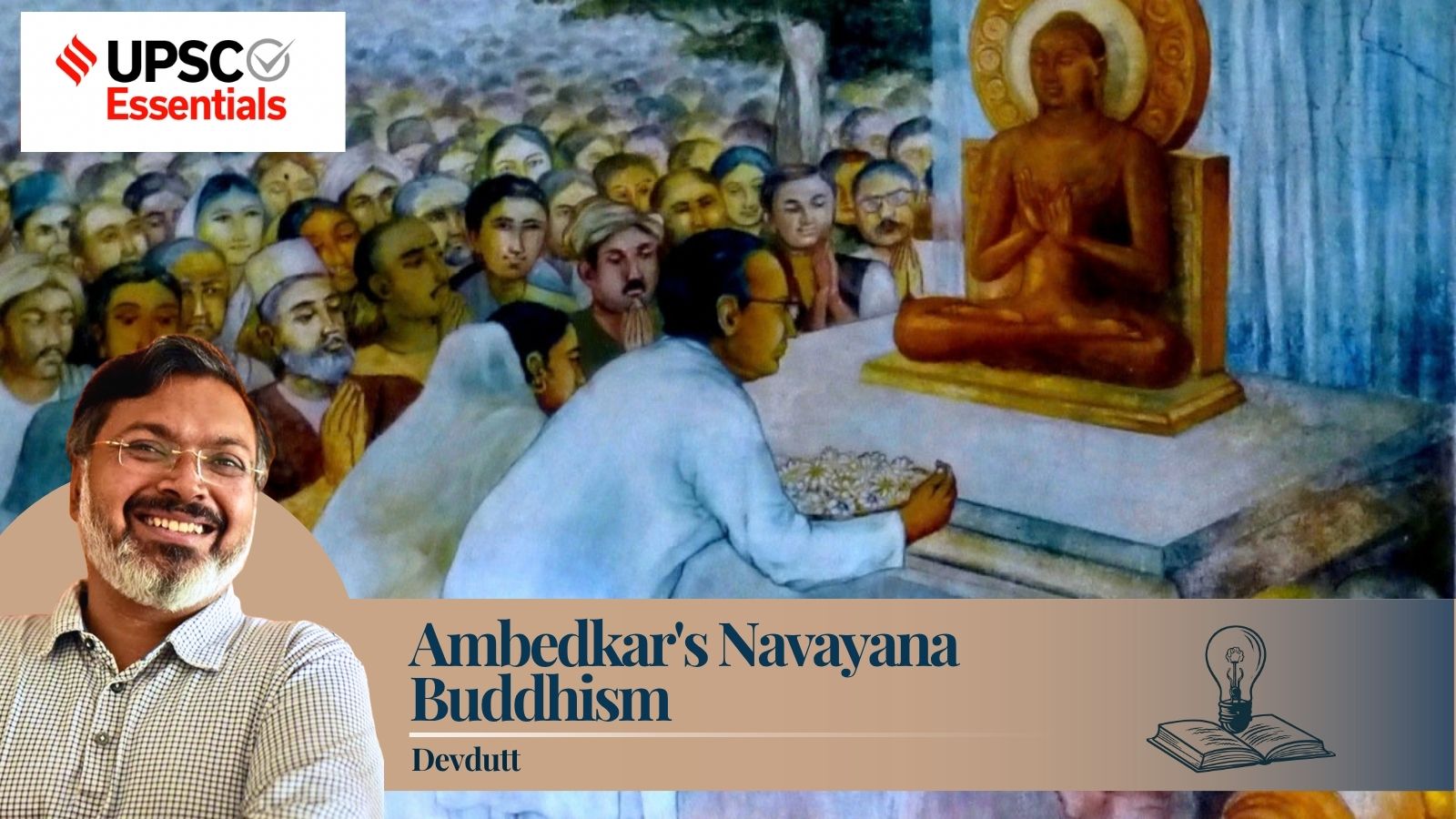
In 1956, Dr BR Ambedkar led a mass conversion to Buddhism in Nagpur, India, but he didn’t simply adopt existing forms of the religion. He developed Navayana, a “New Vehicle” for Buddhism, to address social inequalities.
For centuries, Dalits in India, people formerly known as untouchables, faced discrimination that denied them basic rights and equal treatment. Ambedkar believed that legal changes alone could not overcome this prejudice, and that a new religious identity was necessary for lasting liberation.
After studying several religions, Ambedkar chose Buddhism because it originated in India, rejected Vedic authority, and challenged the caste system. However, he found traditional Buddhist teachings focused too much on karma, rebirth, and escaping worldly life, rather than improving life in the present. He wanted a religion that would empower his followers with education, employment, and political rights. Navayana Buddhism prioritised reason, equality, compassion, and social justice over concepts like karma and nirvana.
Ambedkar rejected practices reinforcing caste divisions, supported gender equality, and envisioned Buddhism as a path to active citizenship. While other leaders like Mahatma Gandhi and Jawaharlal Nehru also drew inspiration from Buddhism, Ambedkar uniquely transformed it into a movement specifically for social equality, and Navayana continues to differ from older traditions.