Voyager 1 reaches interstellar space carrying Peruvian music
Headline and summary by local AI
The Voyager 1 spacecraft reached a distance of one light day from Earth, marking its entry into interstellar space.
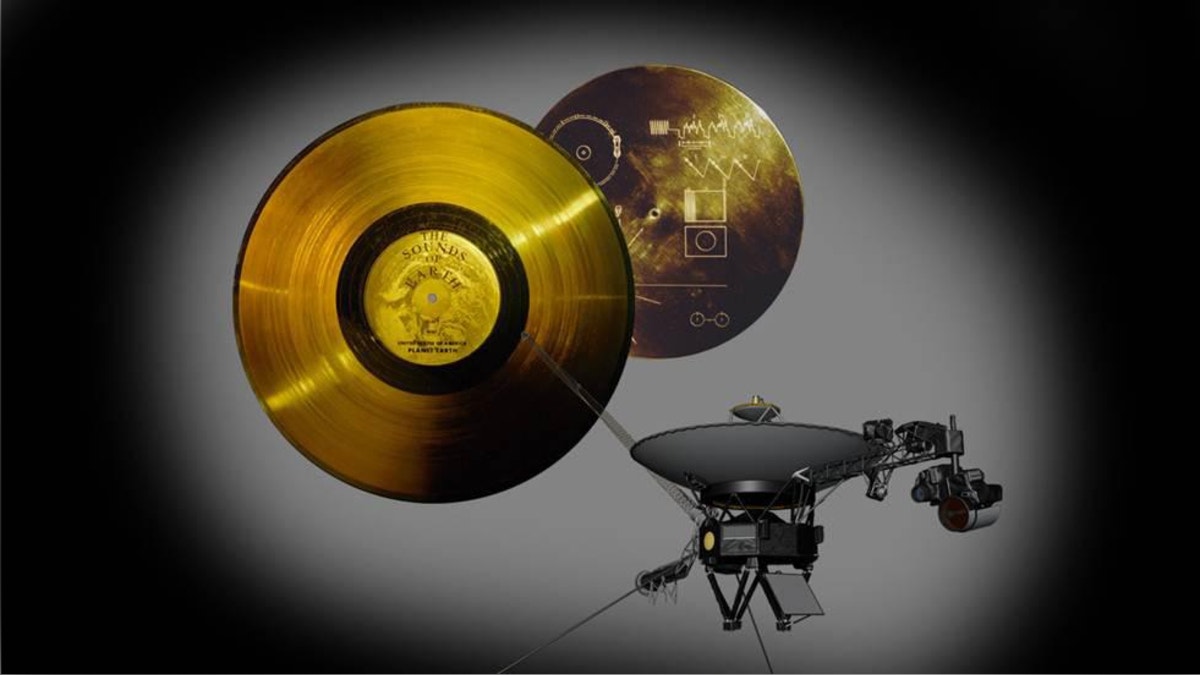
This distance of 26 billion kilometers makes it the first human-made object to reach such a point in the cosmos. The NASA mission launched in 1977 originally aimed to explore the outer planets of the Solar System. The spacecraft carries a gold-plated copper phonograph record containing information about humanity for potential extraterrestrial civilizations.
This record includes 115 images of Earth, greetings in 55 languages, and various nature sounds. Among the cultural recordings are two traditional Peruvian songs. One track is a recording of Zampoñas y tambor from Áncash, a region in Peru, which is linked to the work of the Peruvian writer and anthropologist José María Arguedas. The second track is a wedding song from Huancavelica, recorded by American filmmaker and professor John Cohen.
The record also features instructions for extraterrestrials to locate Earth and calculate the time the craft has spent in space.
Selected and summarized by local AI How we work
More in Discovery

Community members collect family photos to preserve history of Tierra del Fuego
elpais.com · 22 Nov 2026

South African descendants reclaim identities lost during Indian Indenture
mg.co.za · 14 Nov 2026

Heritage walk at Someshwara Temple connects people to Bengaluru history
thehindu.com · 19 Nov 2026