South African descendants reclaim identities lost during Indian Indenture
Headline and summary by local AI
South African descendants of indentured labourers are using literature and oral history to reclaim identities that were stripped away during the colonial indenture system.
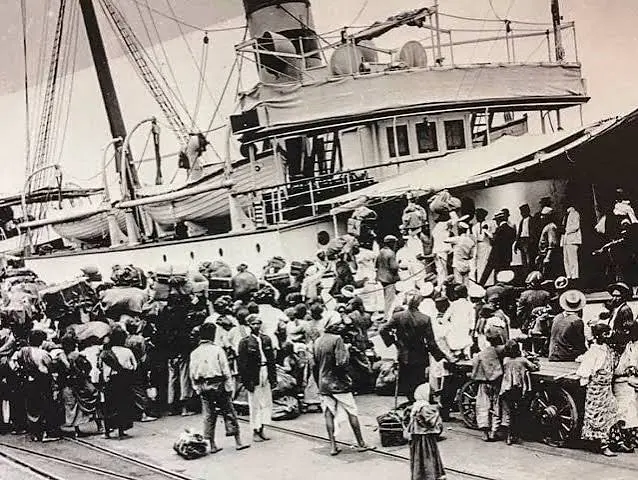
When Indian labourers arrived in Durban in 1860, authorities replaced their names with numbers to treat them as statistics. This systematic erasure of personal history has left a legacy of intergenerational trauma, which modern writers and researchers are now working to undo.
Authors like Joanne Joseph, Aziz Hassim, and Ronnie Govender use oral storytelling to piece together the lives of those who crossed the kala pani, or black water, to work in sugarcane fields. These narratives highlight how families preserved their culture through music, dance, and food despite the brutal conditions of servitude.
Researchers such as Ashwin Desai and Goolam Vahed have documented the specific hardships of the period, including flogging, starvation, and sexual abuse, providing a factual counterpoint to the era of colonial gatekeeping. The High Commission of India in Pretoria recently supported this reclamation of identity by extending Overseas Citizenship of India card eligibility to descendants of the 5th, 6th, and 7th generations of Indian origin immigrants.
These efforts aim to honor the resilience of ancestors who built schools and fought against both colonial and apartheid oppression. Today, these stories serve as a blueprint for descendants to find belonging and preserve a heritage that survived 166 years of systemic displacement.
Selected and summarized by local AI How we work

