Guatemalan school bands evolve from military roots to Independence Day parades
Summary and headline written by AI from the source article. How we work
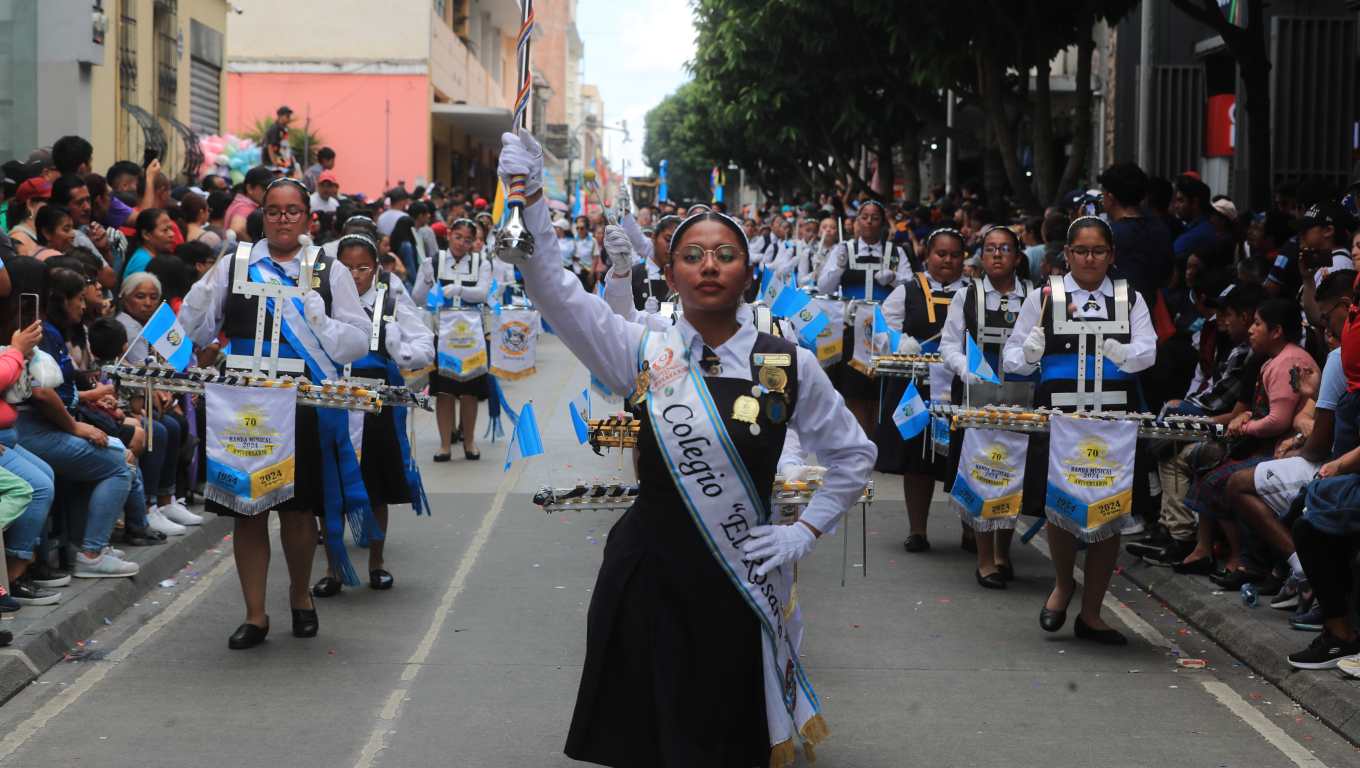
In Guatemala, school bands have a history stretching back to 19th-century military bands and now play a central role in the annual Independence Day celebrations.
These groups began as accompaniment for school parades organized by the liberal government in 1879, initially relying on military bands for musical support due to the high cost of instruments. Over time, schools began acquiring their own instruments and forming their own bands, linking music with student formation and national identity.
Historian Aníbal Chajón notes this development connected to a growing sense of patriotism expressed through civic acts. The bands developed a militaristic style, mirroring the discipline and organization of soldiers. Following the 1996 Peace Accords, bands formerly known as “bands of war” changed their names, reflecting a shift toward a culture of peace.
By 1930, three school bands, from Colegio San José de los Infantes, Instituto de Señoritas Belén, and Colegio San Sebastián, participated in parades, inspiring other schools to do the same. This practice became a form of cultural transmission, with knowledge and skills passed down through generations via practice, mentorship, and now, video resources. In 2026, the Civic School Parade in Guatemala City included traditional, Latin, and marching bands, demonstrating the continuing presence of these groups in national celebrations.