Aral Sea region embraces landscape as teacher
Summary and headline written by AI from the source article. How we work
In Uzbekistan’s Karakalpakstan, the Uzbekistan Art and Culture Development Foundation (ACDF) brought together students and local foresters near Nukus to plant saxaul shrubs, which stabilize soil and resist salt, demonstrating the school’s approach to learning from the environment.
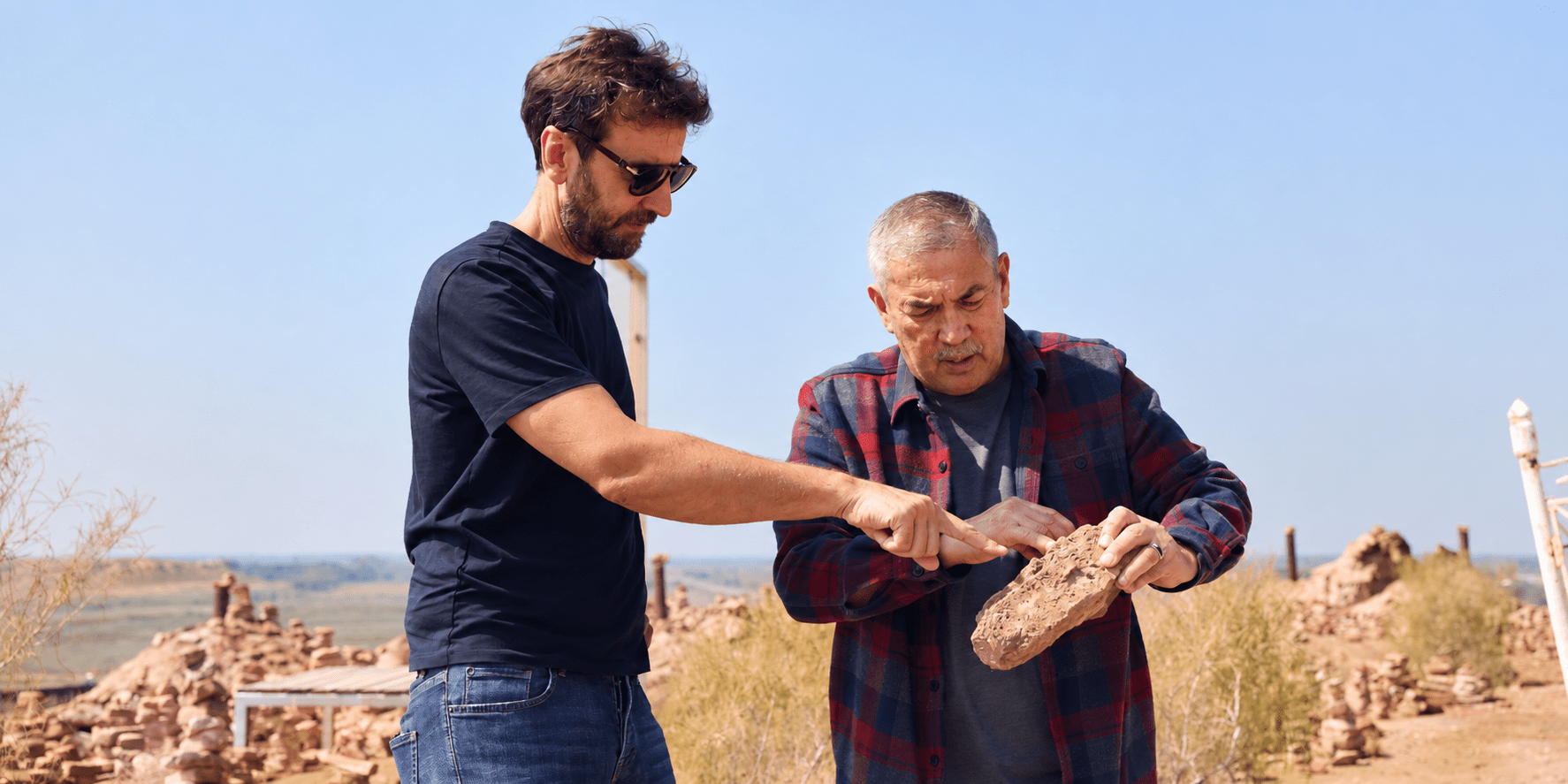
The ACDF established the Aral School to foster long-term engagement with the changing landscape of the Aral Sea, once the world’s fourth-largest lake, which has dramatically shrunk due to Soviet-era irrigation projects.
The school’s program, led by architect Joseph Grima, will host a second group of students for a six-month residency from January to June 2027, focusing on climate, landscape, and the effects of irrigation. The Aral School prioritizes collaboration with local experts and communities, integrating them into the program’s design rather than treating them as research subjects.
Gayane Umerova, chair of ACDF, explained the school aims to build on existing knowledge and support initiatives already underway in Karakalpakstan, like the Clean Water project which documented people using irrigation water for cooking. The school’s first cohort researched food and water systems, presenting twelve objects at Milan Design Week, and the upcoming cohort will focus on land and river systems.
Alongside the school, ACDF also awarded a research fellowship to artists Zukhra and Fotima Sharipova, who will explore landscape, material culture, and local knowledge through art until June 2027, culminating in a presentation at the next Aral Culture Summit. The foundation intends to measure the school’s success by increased regional participation, deeper local integration, and projects that move from theory into practical implementation.