Tayrona National Park reopens after ecological rest period in Colombia

Headline and summary by local AI
Authorities in Colombia reopened Tayrona National Park on November 3 after a 15-day closure intended to allow the ecosystem to recover from human impact.
The park implemented a strategy called Respira Tayrona, which schedules three annual closures in February, June, and between October and November. This initiative was coordinated with the Arhuaco, Kogui, Wiwa, and Kankuamo indigenous communities of the Sierra Nevada de Santa Marta.
The closure coincided with the Nabbatashi period, a time when these indigenous groups perform traditional rituals to care for and renew their ancestral territory. During the shutdown, the park allowed its flora and fauna to recover, specifically focusing on the restoration of vegetation and the reopening of animal migration routes. The timing also aligns with the year's heaviest rains, which replenish the streams that provide fresh water to rural communities and tourist facilities.
This process helps maintain the region's biodiversity by ensuring species have enough resources to thrive. Researchers used camera traps during this period to document the park's biodiversity, capturing images of the jaguar and the blue-billed puffbird, a bird species found only in northern Colombia. The park covers over 12,692 hectares of firm land and 19,309 hectares of marine and terrestrial areas.
While the park hosts six of the seven feline species in Latin America, authorities still need to determine the exact number of jaguars and how animal populations change during the park's rest periods.
Selected and summarized by local AI How we work
Recovery: Ecosystems recovering, species returning, nature thriving or newly found, and protection already in force.
More in Recovery
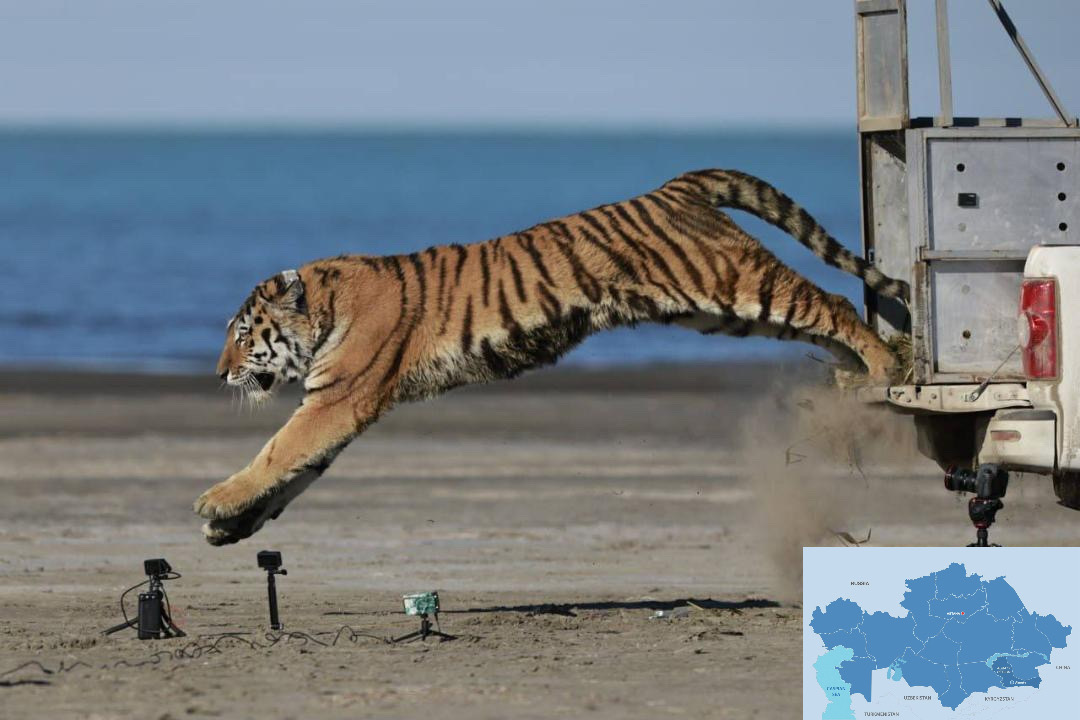
Amur tigers adapt to life in Kazakhstan Nature Reserve
astanatimes.com · 19 Nov 2026

Cheetah population grows in India as Botswana female gives birth in the wild
conexaoplaneta.com.br · 24 Nov 2026

Mexican community protects 1,398 hectares of jungle for 99 years
noticiasambientales.com · 18 Nov 2026