People who care for others may face loneliness in later life
Summary and headline written by AI from the source article. How we work
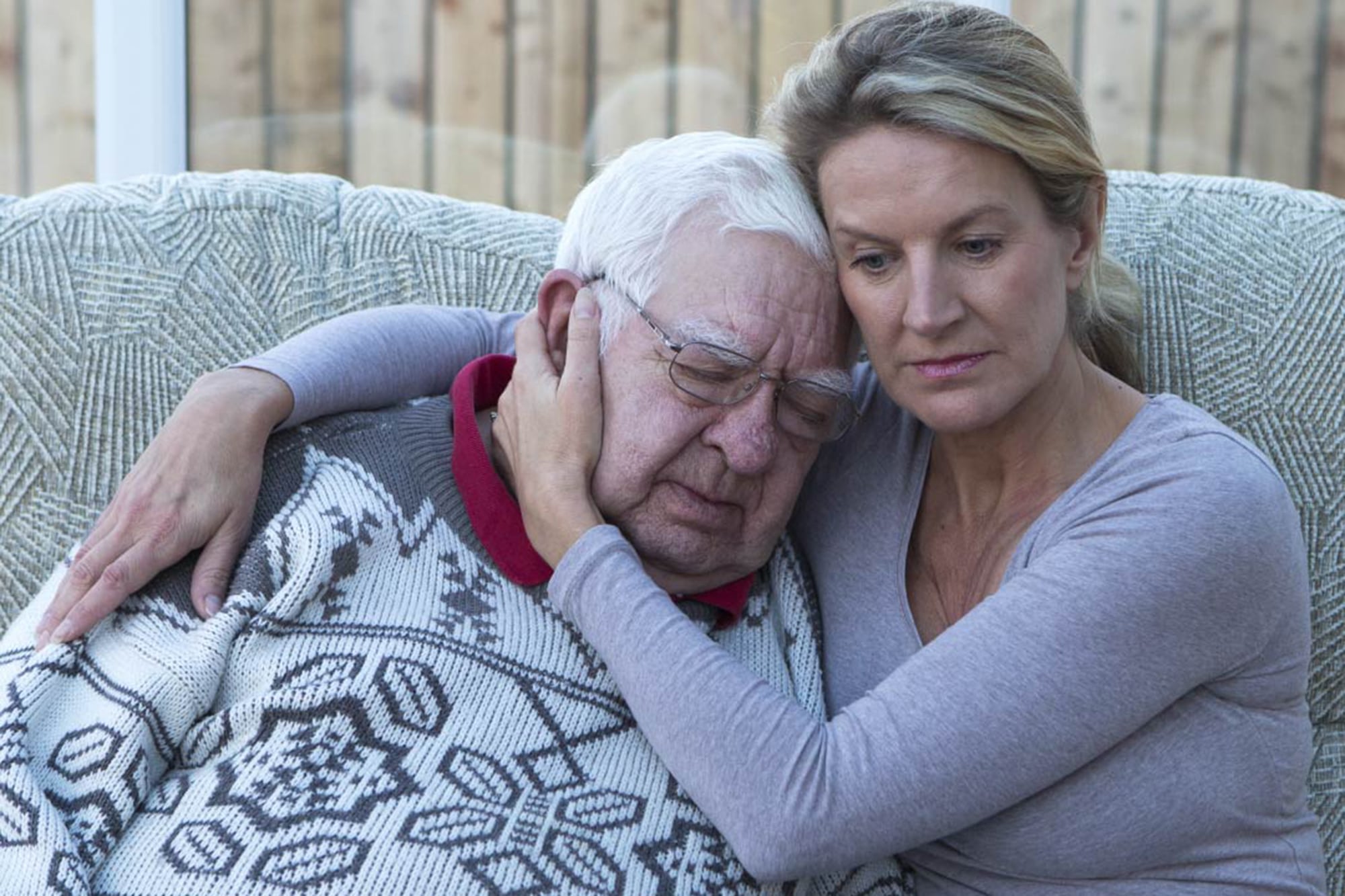
Psychologists in Argentina observe that people who consistently care for others often experience loneliness around age 60.
Clinical psychology shows these individuals frequently arrive at this age highly capable, having spent decades resolving crises and supporting their families. A study by Avery White, published in VegOut magazine, found that people who lack close relationships at this stage are often those others turned to for help, acting as pillars for decades.
This pattern develops because caregivers often give support without receiving it in return, a behavior psychologists call “compulsive care.” These people build their identities around strength and constant availability, unintentionally training others to see them as a resource rather than a person with needs. White described becoming accustomed to being seen as a problem-solver, and forgetting to prioritize her own well-being.
Research from Alex ‘Sandy’ Pentland at the Massachusetts Institute of Technology (MIT) supports this, finding that relationships based heavily on usefulness often fail when circumstances change. When caregivers face job loss or personal loss, the dynamic breaks down, as White experienced after leaving the financial sector. Furthermore, these individuals struggle to ask for help, as doing so challenges their self-perception and sense of invulnerability.
Psychologists conclude that reciprocal relationships are essential for mental health in old age, and that abandoning the expectation of invulnerability is key to avoiding isolation.