Cuba authorizes electric vehicle operators to address transport crisis
Summary and headline written by AI from the source article. How we work
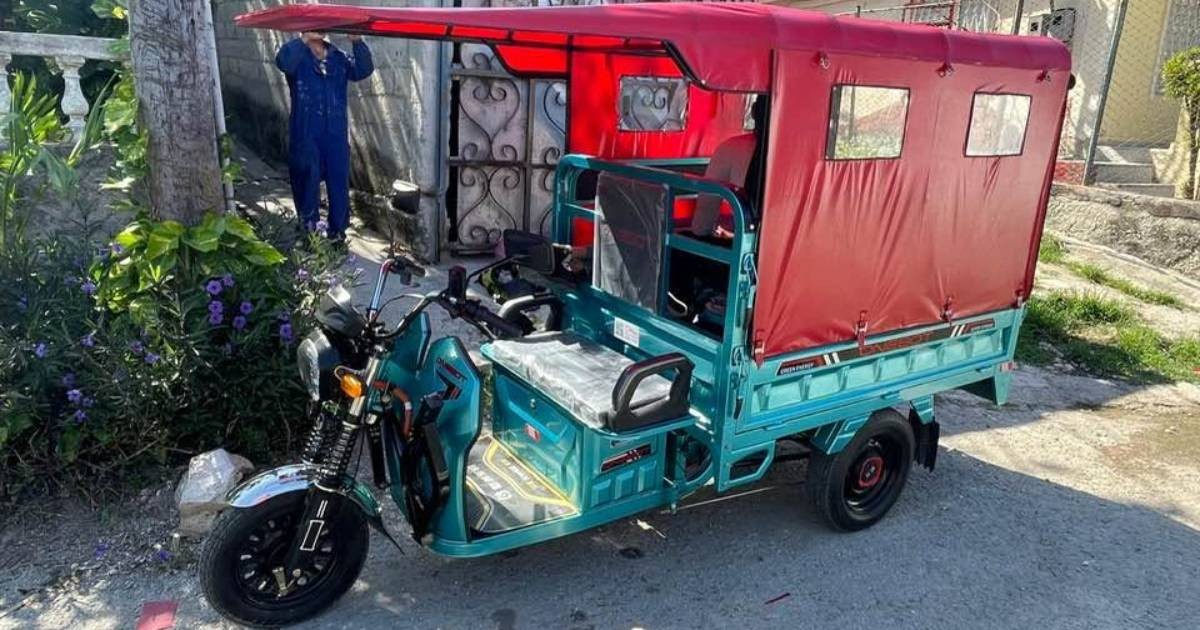
The Cuban Ministry of Transportation approved 1,912 people to operate electric vehicles for passenger and cargo transport by the end of July, responding to ongoing transportation shortages.
This decision follows the February easing of regulations requiring a Transportation Operation License (LOT) for electric tricycles, motorcycles, and mopeds. The Ministry allowed vehicles previously excluded from the formal system, even those without registration plates, to gain authorization if owners could prove legal ownership.
The new policies also reduced requirements for experience and documentation. Drivers lacking the typical three years of experience can now receive exceptional authorization, and owners of rented vehicles only need to provide permission for operation. Since these changes took effect, officials have reported 1,280 new vehicles joining the system, with the most significant impacts felt in Havana, Matanzas, and Cienfuegos.
These efforts aim to fill gaps in the state-run transport system, which struggles with fuel shortages and a lack of parts. Cuba now has 10,466 self-employed individuals working in electric and animal-drawn transport, some of whom assist with patient transport. While the policy has expanded transport options, some citizens have voiced concerns about lingering bureaucratic issues, regional inconsistencies, and rising fares, prompting authorities to intervene in cases like Matanzas to regulate pricing.