Fiocruz’s century of science shaped Brazilian public health
Summary and headline written by AI from the source article. How we work
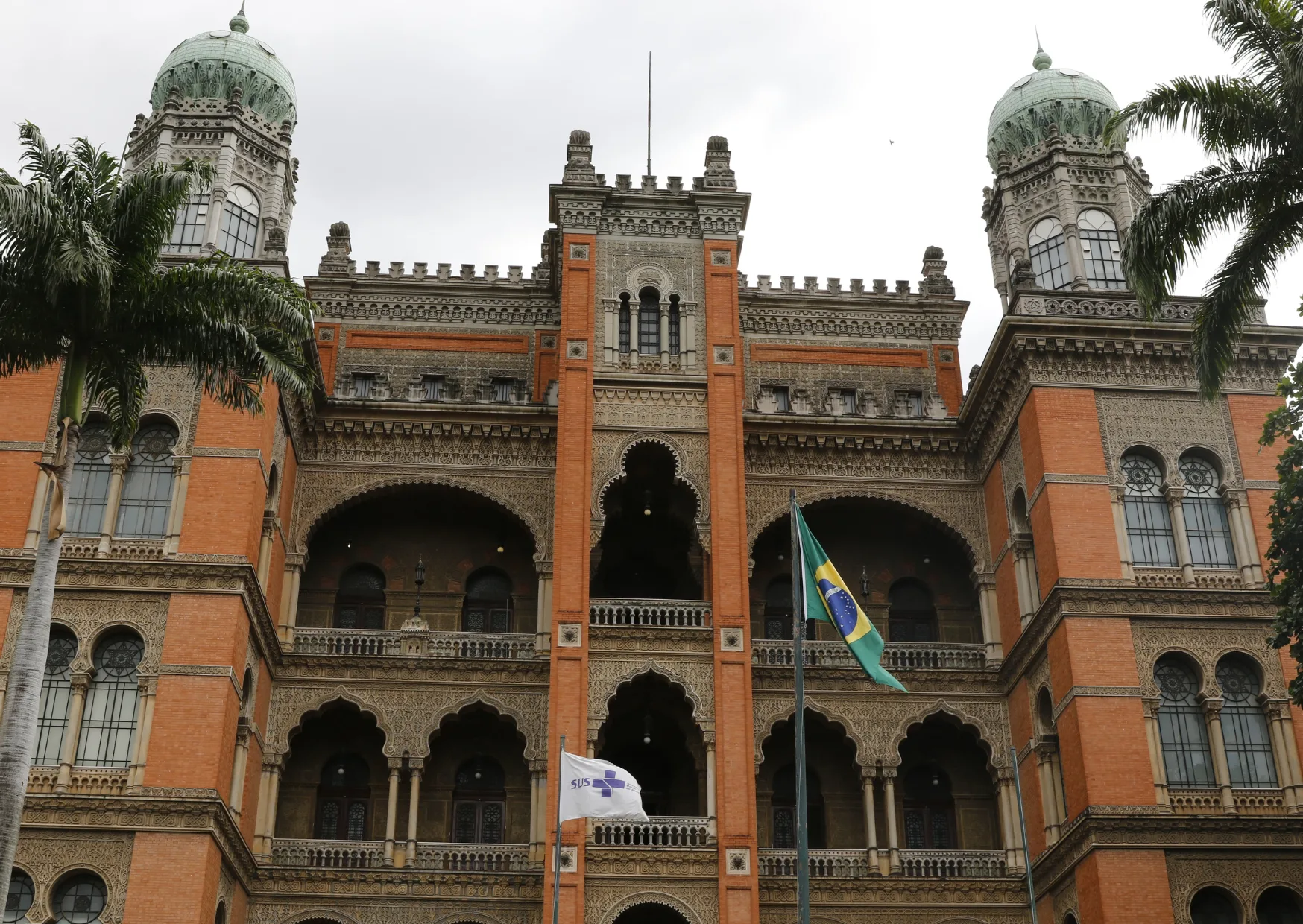
In Brazil, the Oswaldo Cruz Foundation (Fiocruz) has played a central role in the country’s scientific development and public health for over 120 years.
The institution began in 1900 as the Federal Sorotherapeutic Institute in Rio de Janeiro, initially focused on producing serums and vaccines against bubonic plague under the leadership of bacteriologist Oswaldo Cruz and Baron Pedro Affonso.
Cruz then led sanitation campaigns that eliminated yellow fever and bubonic plague from the federal capital, though these efforts faced public opposition, including the 1904 Vaccine Revolt. In 1909, Carlos Chagas, working at the institute, fully described the cycle of Chagas disease, a parasitic infection. Throughout the 20th century, Fiocruz continued pioneering scientific work, including partnering with the Rockefeller Foundation in 1937 to produce yellow fever vaccine, eventually providing approximately 80% of the world’s supply.
The National School of Public Health was founded in 1954, later named for health specialist Sergio Arouca, whose studies informed the creation of Brazil’s Unified Health System (SUS). More recently, Fiocruz expanded its reach with regional units, international offices, and research facilities like the Fioantar laboratory in Antarctica.
The foundation responded to public health crises, including the 2009 H1N1 influenza pandemic and the 2015-2016 Zika and microcephaly epidemic, and in 2020, the World Health Organization designated Fiocruz as a reference center for Covid-19 in the Americas. Fiocruz produced over 150 million doses of Covid-19 vaccine for the SUS in 2021, and in 2022, began distributing vaccines made with 100% nationally produced active pharmaceutical ingredient, securing Brazil’s self-sufficiency.