Machado de Assis anticipated modern black literature
Summary and headline written by AI from the source article. How we work
In 1963, Martinican writer and historian Léonard Sainville identified Machado de Assis, a Brazilian author, as a precursor to modern Black literature within a transnational context.
Sainville, publishing with Présence Africaine in Paris, included Machado de Assis in an anthology of Black writers from Africa, the Caribbean, and the Americas.
He argued that Machado de Assis achieved literary independence from European imitation around thirty years before other Black authors, like René Maran, the first Black writer to win the Prix Goncourt, did so. Sainville saw a developing “Black African novel” rejecting European cultural imitation, but noted Machado de Assis as an exception to this trend. He believed Machado de Assis uniquely moved past simply imitating European styles in the 19th century, accomplishing what other Black writers would achieve decades later.
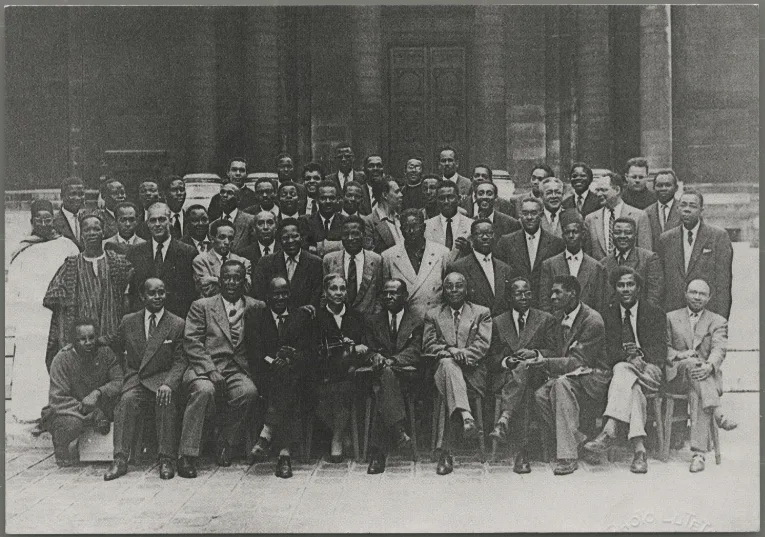
Sainville connected Machado de Assis’s familiarity with European authors not as submission, but as a foundation for developing his own distinct voice. This reading carries weight because Sainville was deeply involved in the international Black intellectual community. He participated in the First International Congress of Black Writers and Artists in 1956, alongside figures like Aimé Césaire and Frantz Fanon, and was associated with the influential journal Présence Africaine.
Sainville’s work suggests that when this network sought the origins of Black literature, they found Machado de Assis already present in the 19th century, anticipating the collective movement that emerged in the 20th.