Plato’s cave, Hegel’s owl, Marx’s rooster: decoding the modern world
Summary and headline written by AI from the source article. How we work
Brazilian sociologist Cristóvão Feil explains how Plato’s Allegory of the Cave, alongside symbols of the owl and the rooster, can illuminate modern challenges.
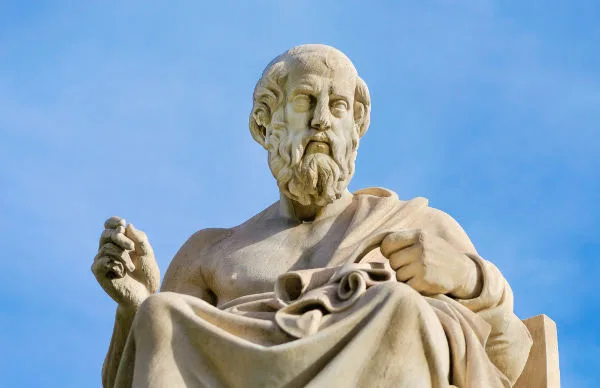
Plato’s cave represents the human condition, where prisoners mistake shadows for reality. He describes how a freed prisoner, upon seeing the true world, struggles to readjust and faces resistance when returning to enlighten others, mirroring the fate of Socrates. Plato believed education involves turning individuals away from illusions and toward truth, a painful but necessary process.
Feil then contrasts Plato’s philosophy with that of Hegel, who used the owl of Minerva as a symbol. For Hegel, philosophy arrives only after a period has ended, offering understanding in retrospect. This differs from Karl Marx, who adopted the rooster to represent the active and transformative role of thought, believing that philosophy should change the world, not just interpret it. Feil argues that both perspectives are crucial.
The owl provides structural analysis to understand existing constraints, while the rooster embodies the ethical imperative to challenge them. He suggests contemporary society requires both the owl’s clarity and the rooster’s urgency, especially in addressing issues like climate change and algorithmic inequality, warning against both passive acceptance of the status quo and reckless revolution.