Cameroonian philosopher questioned African thought
Summary and headline written by AI from the source article. How we work
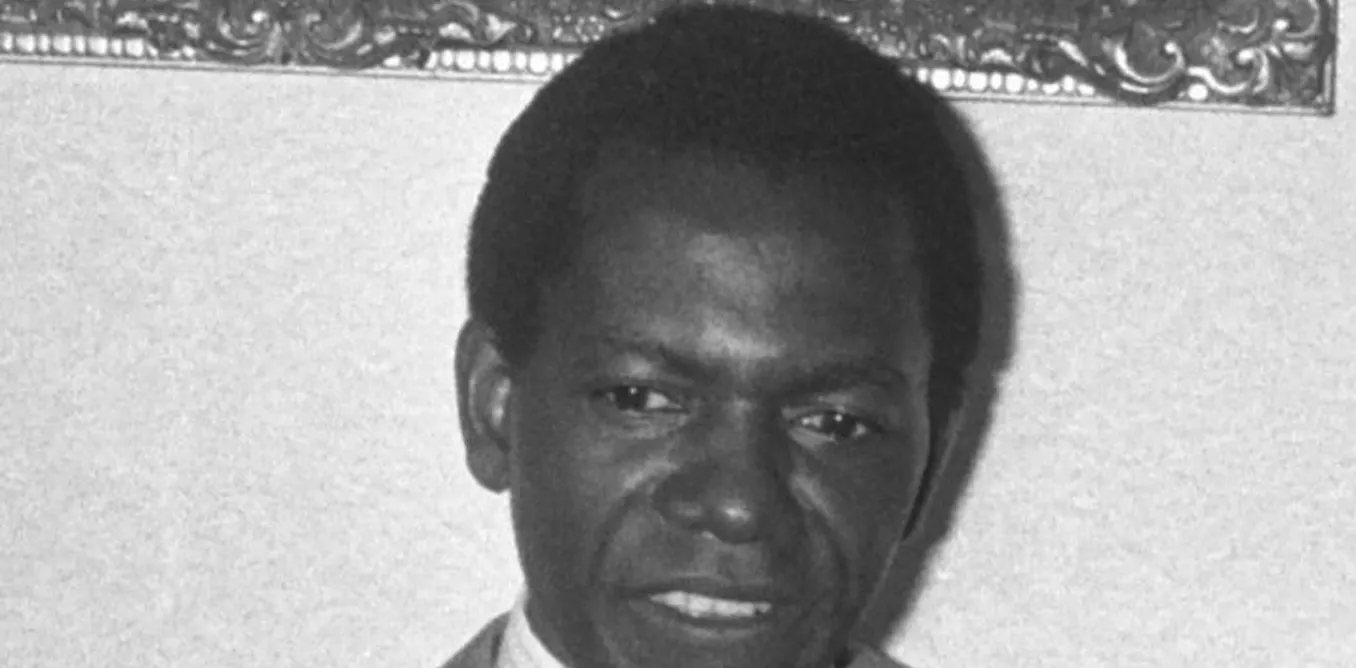
Fabien Eboussi Boulaga, a Cameroonian philosopher who died in 2018, challenged how African societies think freely after colonialism.
Born in 1934, Boulaga was a former Jesuit who critically examined the relationship between Christianity, colonial rule, and African cultures. He left the Jesuit order in 1980 to return to a secular life after years of questioning the role of Christianity in Africa.
Boulaga’s work focused on how Africans could develop their own thought independently, considering that many concepts used to describe them originated elsewhere. He believed searching for an original, “authentic” African identity could trap people within a fixed identity rather than allowing for growth. He argued that individuals and societies should build their futures by acknowledging both African legacies and the impact of colonial violence and imported religions.
In his 1977 book La Crise du Muntu, Boulaga explored the “crisis of the Muntu”, the state of an African subject defined by others. He also critiqued Placide Tempels’ La Philosophie bantoue, arguing that it presented Bantu people as an object of study rather than allowing them to define themselves. Boulaga cautioned against becoming an “exotic intellectual” who repeats colonial patterns while discussing Africa, and instead advocated for transforming and questioning inherited ideas to maintain intellectual freedom.
He saw this freedom as essential for shaping political life and allowing African societies to determine their own futures.