Bolsa Família program lifts Brazilian families out of hunger
Summary and headline written by AI from the source article. How we work
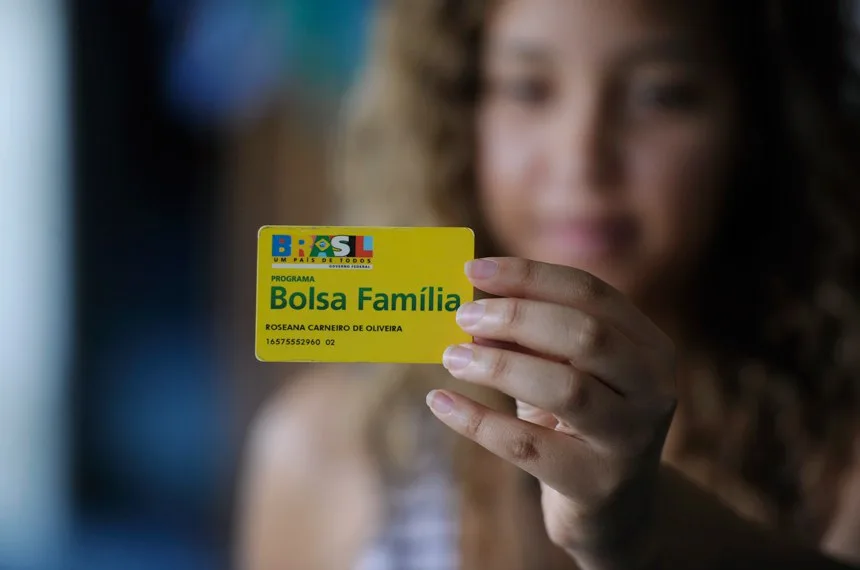
In September, the Brazilian government increased Bolsa Família benefits by 15.04 percent, the first adjustment for inflation since the program resumed its current form in 2023.
The increase will help families afford basic goods like food. The author, Ana Cristina de Oliveira Melo, recalls receiving Bolsa Família, previously known as Bolsa Escola, starting in 2003 when she was 13 years old. The program provided her family with better food, appliances, and home improvements.
Bolsa Família, along with the National School Feeding Program, helped ensure millions of children in Brazil did not experience hunger. School dropout rates fell by approximately 16.59 percent from 2002 to 2005, likely due to Bolsa Família requiring school attendance as a condition of receiving benefits. A documentary film by Eliza Capai shows women in Guaribas, Piauí, a city that once had the lowest Human Development Index in Brazil, describing how the program improved their children’s lives.
These women and the author point to gains in access to electricity, clean water, schooling, and employment as evidence of the program’s impact. While problems remain, the author argues that maintaining this basic level of support is essential so children can imagine a better future and pursue their dreams.