Smithsonian museum opens exhibition on medical progress and health inequity
Headline and summary by local AI
The Smithsonian’s National Museum of American History opened a new exhibition titled First Do No Harm to explore the history of American medicine.
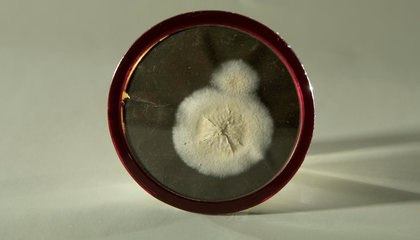
The show features artifacts ranging from early medical tools to modern devices, including a syringe used by Jonas Salk to test the polio vaccine in the 1950s and a medallion holding penicillin mold from Alexander Fleming.
It also displays the worn clogs of Sandra Lindsay, a nurse who became the first person in the United States to receive an authorized Covid-19 vaccine outside of clinical trials in December 2020. The exhibition highlights how medical breakthroughs have saved lives while also addressing the historical inequities that limit access to care.
Museum director Anthea Hartig noted that while technological advances have been remarkable, some people have had unlimited access to these benefits while others have had very limited access. The show includes a 1985 federal report that first acknowledged discrepancies in healthcare for Black and minority Americans. The display also examines modern disparities, such as how tuberculosis continues to disproportionately affect racial and ethnic minorities.
It features data showing that in 2023, 90.1 percent of tuberculosis cases in the U.S. occurred among these groups. Furthermore, the exhibition uses a vial from the Covid-19 vaccine rollout to illustrate how rural counties had lower initial vaccination coverage than urban areas. Curators also included items that show the human side of medical history, such as the belongings of Reverend Steve Pieters, who lived with HIV/AIDS in the 1980s.
The show also connects human health to environmental health by featuring an interactive display about honeybees and discussing the impact of medical waste on the oceans. The exhibition will remain on view for about three years.
Selected and summarized by local AI How we work
More in Discovery

Medieval monk found in Roman sarcophagus at Westminster Abbey
futura-sciences.com · 19 Nov 2026
Scientists identify cause of bone malformation in ancient Peruvian child
derstandard.at · 15 Nov 2026

Roman engineers scaled flour production with a watermill complex in Gaul
newspaceeconomy.ca · 23 Nov 2026