William Morris designs create a conflict between artistry and affordability
Headline and summary by local AI
The Whitworth Art Gallery in Manchester, England, is preparing a retrospective exhibition titled “William Morris: Common Paradise” to explore the work of the 19th-century craftsman.
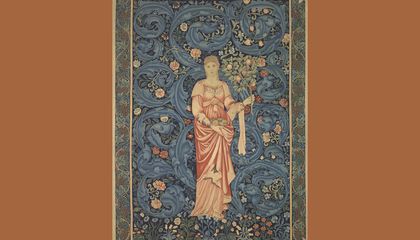
William Morris advocated for a universal right to beauty while designing fabric and wallpaper for his firm, Morris & Company. Although he embraced revolutionary socialism and opposed the inequality of Victorian society, his commitment to handmade craftsmanship made his products expensive.
Amy George, a curator at the gallery, explains that the high cost of his work reflects the intensive labor required to create it. Modern commercial interests have changed how people access these designs. Mass-market brands like H&M and Williams Sonoma now produce items featuring Morris' patterns. This shift has brought his artistic vision to a wider audience, potentially fulfilling his goal of making art accessible to everyone despite the original high costs of his handmade pieces.
Selected and summarized by local AI How we work