Volunteers unearth medieval leprosy hospital in England
Summary and headline written by AI from the source article. How we work
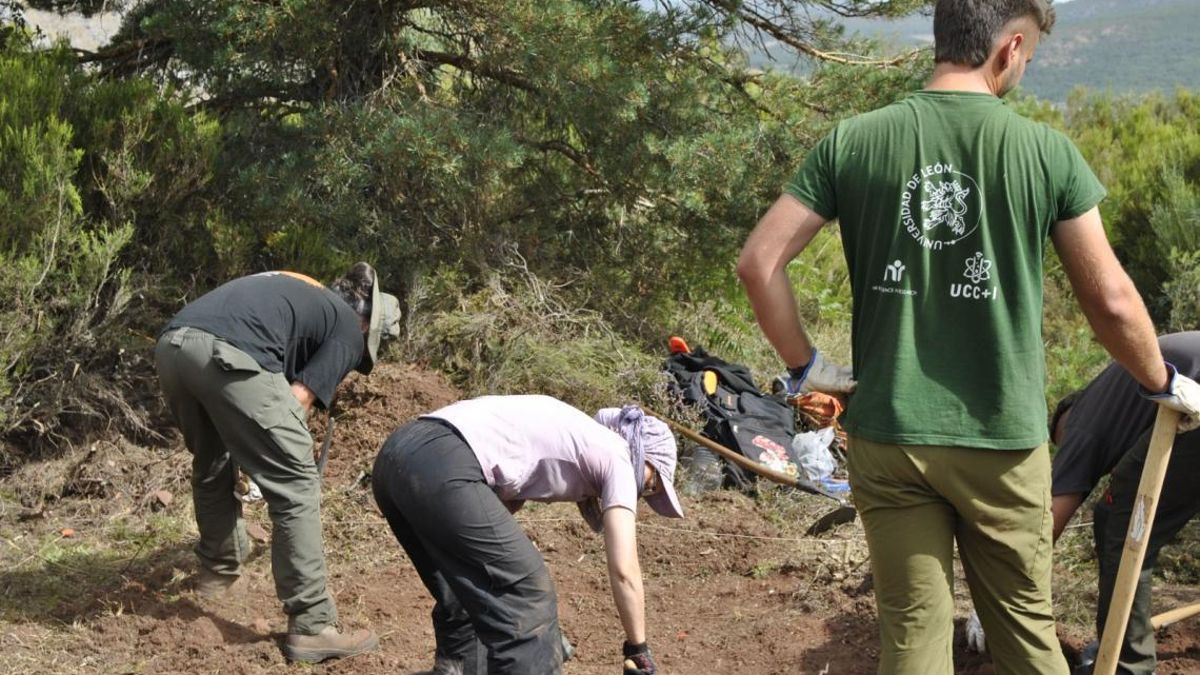
Volunteers and archaeologists in Lincoln, England, are excavating the Hospital of the Holy Innocents, a leprosarium founded in the 11th or 12th century.
Researchers believe the hospital housed up to 20 people with leprosy at a time. Last year, over 100 volunteers helped uncover boundary walls and artifacts.
Recently, the British television program “Time Team” joined the effort, conducting geophysical surveys and digging a 100-foot trench that revealed remnants of a long wall and what appear to be foundations for small buildings. Archaeologists speculate these structures were individual lodgings with small yards for people living with the disease. During medieval times, leprosy, caused by the bacterium Mycobacterium leprae, was seen as a punishment for sin and led to lifelong quarantine.
While modern science understands the disease is not highly contagious, sufferers in England were historically considered legally dead and often exiled. The Hospital of the Holy Innocents offered a rare degree of care, but even admission required financial resources. The current excavation is part of a three-year project funded by the National Lottery Heritage Fund, promising further discoveries about this historic site and the lives of those who sought refuge within its walls.