New protein tests reveal ancient Irish bones are not domesticated cattle
Headline and summary by local AI
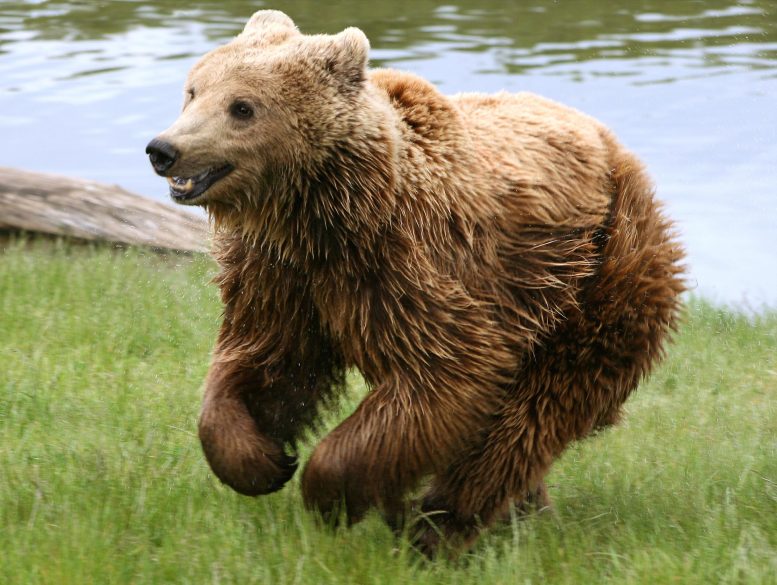
Researchers at University College Dublin and University College Cork identified that bone fragments from an ancient Irish site belonged to a bear and a wild boar rather than domesticated cattle.
The team analyzed remains from Ferriter’s Cove, a small bay on the Dingle Peninsula in County Kerry, Ireland. These fragments were originally excavated during the 1980s and 1990s. For more than 30 years, scientists believed these bones belonged to domesticated cattle, a discovery known as the Kerry Cow.
This finding previously suggested that domesticated farm animals reached Ireland during the Mesolithic period, which lasted from 8000 to 4000 BCE, while the local population still lived by hunting and gathering. The researchers sent the bones to a laboratory in Lille, France, to undergo ZooMS analysis. This technique identifies animals by examining proteins preserved in bone collagen. The results showed that the fragments were not from cattle but from a bear and a wild boar.
This discovery removes a major piece of evidence that supported the theory of early farming influence on the island before 4000 BCE. The findings change the basis for how historians reconstruct the transition from hunting and gathering to farming in Ireland and Britain. While the study does not establish a new date for the arrival of agriculture, it clarifies that no archaeological evidence currently supports the idea of domesticated cattle reaching Ireland before 4000 BCE.
The team plans to conduct further analyses to determine if the bear remains belonged to brown bears or polar bears.
Selected and summarized by local AI How we work