New chemical analysis may push back Estonia's earliest iron production
Headline and summary by local AI
Kristo Oks, a junior research fellow at the University of Tartu, is using modern chemical analysis and experimental archaeology to investigate the origins of Estonia's earliest iron and steel artifacts.
He aims to determine if these materials were produced locally or imported during the period between 500 B.C. and A.D. 1500. Oks is employing a technique called laser ablation (LA-ICP-MS) to examine the chemical composition of slag, which is the glassy mass left over from smelting bog iron.
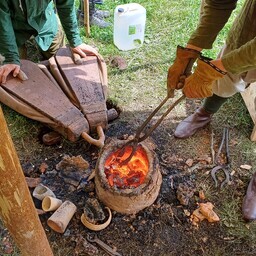
Because Estonia's geological bedrock varies by region, different locations produce unique chemical signatures in the ore. By comparing these signatures, Oks can link specific artifacts to local production sites. He is also performing experimental archaeology by producing steel himself to understand how ancient people incorporated carbon into the metal to make it harder. Recent discoveries have already challenged the existing timeline of Estonian metallurgy.
While experts previously believed iron smelting began about 2,000 years ago, a triple burial found in Tallinn in 2019 showed evidence of iron production dating to between 405 and 360 B.C. Oks plans to expand this research by comparing iron consumption between rural inhabitants and the ruling elites in the ancient county of Ugandi during the 12th to 14th centuries. He may use data from at least 50 knives already analyzed at Otepää Bishop's Castle to complete this study.
Selected and summarized by local AI How we work