Fossil analysis reveals complex human family tree in South Africa
Headline and summary by local AI
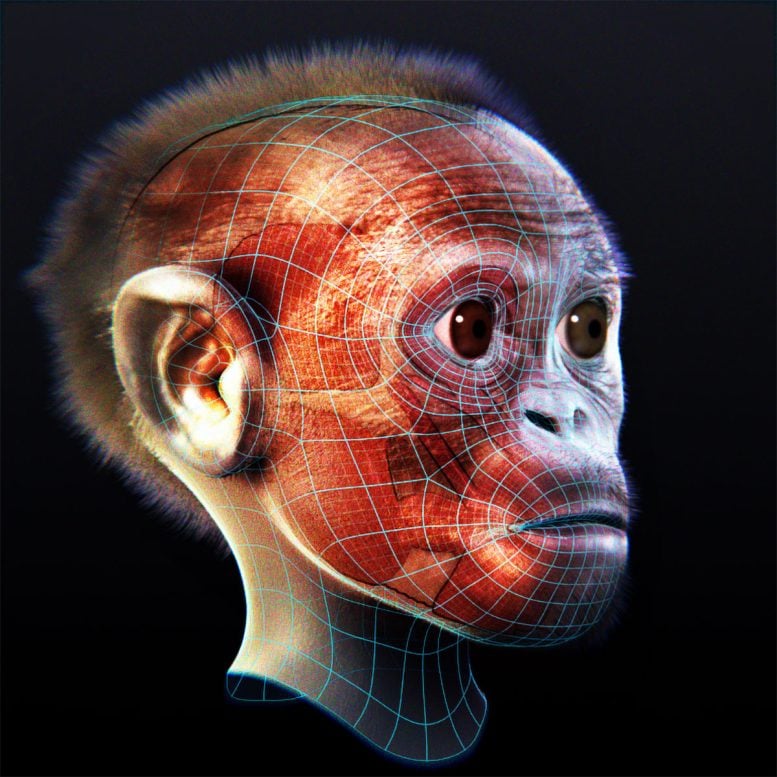
An international team of researchers led by Professor Gabriele Macho of Vrije Universiteit Brussel analyzed the Taung Child fossil in South Africa to re-evaluate human evolution.
The team published their findings in the journal Nature, suggesting that the history of early human ancestors was far more diverse and chaotic than previously thought. The Taung Child was discovered in 1924 and served as the primary specimen for the species Australopithecus africanus.
For over a century, scientists used this fossil to establish Africa as the birthplace of humanity. However, the new study dates the fossil to between 2.96 and 3.03 million years ago and indicates that many fossils previously grouped under this species may actually belong to different branches of the human family tree.
By examining tooth structures and patterns of brain and dental development, the researchers found that several adult fossils did not follow the same developmental path as the Taung Child. These differences suggest that multiple hominin species lived in the Sterkfontein region of South Africa either at the same time or at different periods. Professor Gabriele Macho stated that these findings show the human family tree was a tangled bush shaped by climate shifts rather than a straight line of progression.
The researchers believe that alternating wet and dry periods in Southern Africa caused populations to become isolated and evolve separately. As forests expanded and contracted, these ancient human relatives adapted to different predators and pathogens. The study suggests that the emergence of the genus Homo involved a complex network of populations that were repeatedly separated and reunited by a changing environment.
Selected and summarized by local AI How we work