Ancient copper mine in Spain supplied metal to northern Europe
Headline and summary by local AI
Archaeologists from the universities of Durham, Sevilla, Gotemburgo, and Lund discovered that a 3,000 year old copper mine in Badajoz, Spain, likely exported metal to Scandinavia.
The team conducted excavations at the Las Minillas site during 2020, 2021, and 2023 to study the mine's history and production. The researchers used 17 new radiocarbon dates to confirm the mine was active between approximately 1350 and 750 B.C. during the Final Bronze Age.
By analyzing the chemical composition and lead isotopes of the mineral and slag, the team compared the samples against more than 300 Scandinavian bronzes. They found that 11 of those artifacts were compatible with the metal from Las Minillas. Seven of these items date to the Nordic Bronze Age Period V, which aligns with the final phase of the mine's activity. The site contains a 300 meter vein explored with trenches reaching depths of 8.2 meters.
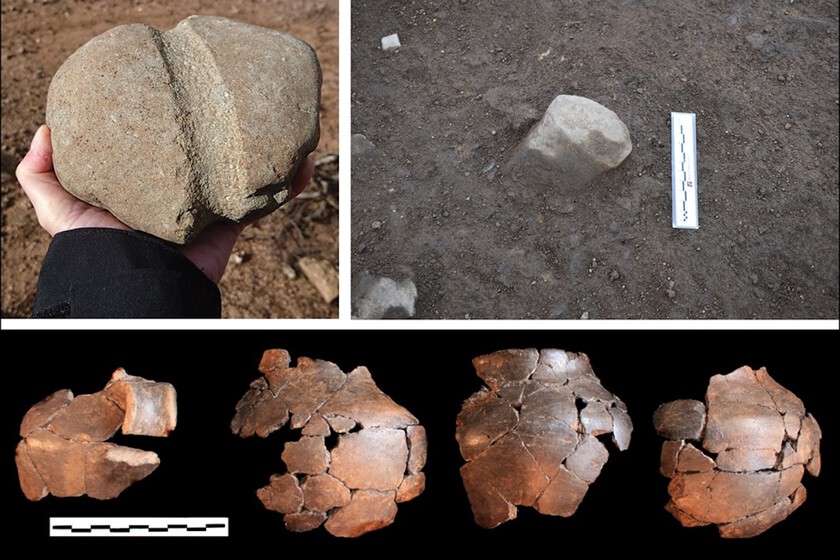
Excavations revealed a seasonal camp and 892 stone tools, mostly hammers. The researchers also found charcoal, which suggests workers burned wood against rocks to fracture them. While the mine produced an estimated 197 tonnes of copper, the study suggests that the combined output of various mines in the Southern Iberian Peninsula could have rivaled major mines across the continent.
These findings indicate that the region was a more significant copper supplier than previously believed and may have been linked to Northern Europe via maritime routes.
Selected and summarized by local AI How we work