Ancient humans used poisoned weapons near a lost Arabian lake
Headline and summary by local AI
International scientists discovered a detailed record of human life in southern Saudi Arabia from 125,000 years ago.
Researchers from the Saudi Heritage Commission, King Abdullah University of Science and Technology (KAUST), and Griffith University explored the Uruq al-Julaybah site in the Empty Quarter. They found evidence of a lush environment that existed during the last Interglacial period, a warm and humid phase that transformed the desert into a landscape of grasslands and freshwater.
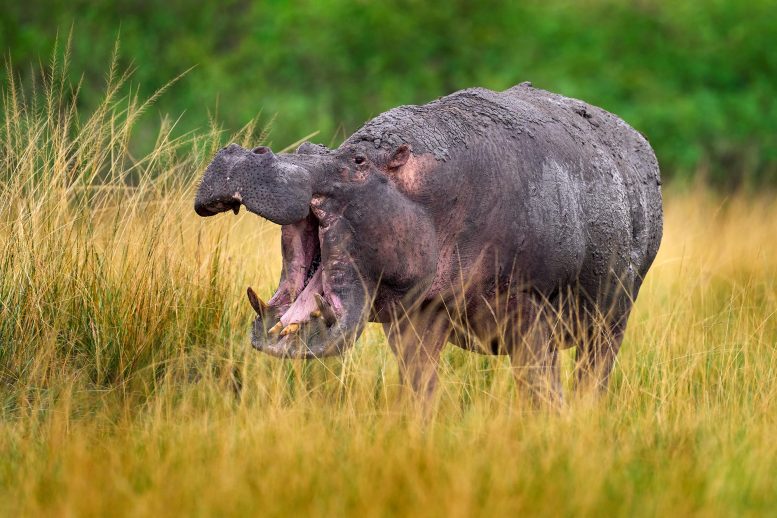
The team used satellite modeling to map an ancient lake that covered approximately 340 square kilometers. They identified fossil remains of hippos, buffaloes, camels, and ostriches, which lived in the area when water was plentiful. These findings show that the region once supported a diverse range of wildlife and vegetation that is no longer present in the modern desert. Archaeologists also collected over 5,500 stone tools from the site.
Chemical and microscopic analyses of these flint tools revealed traces of tubers, bushes, and palm leaves, suggesting that early humans processed plants for food. Most notably, some tools contained residues from toxic plants. This suggests that early humans may have used poisonous compounds to coat their hunting weapons. The research provides a rare look at how prehistoric people interacted with their environment and developed technology.
Selected and summarized by local AI How we work


