DNA analysis reveals human and animal traces on the Shroud of Turin
Headline and summary by local AI
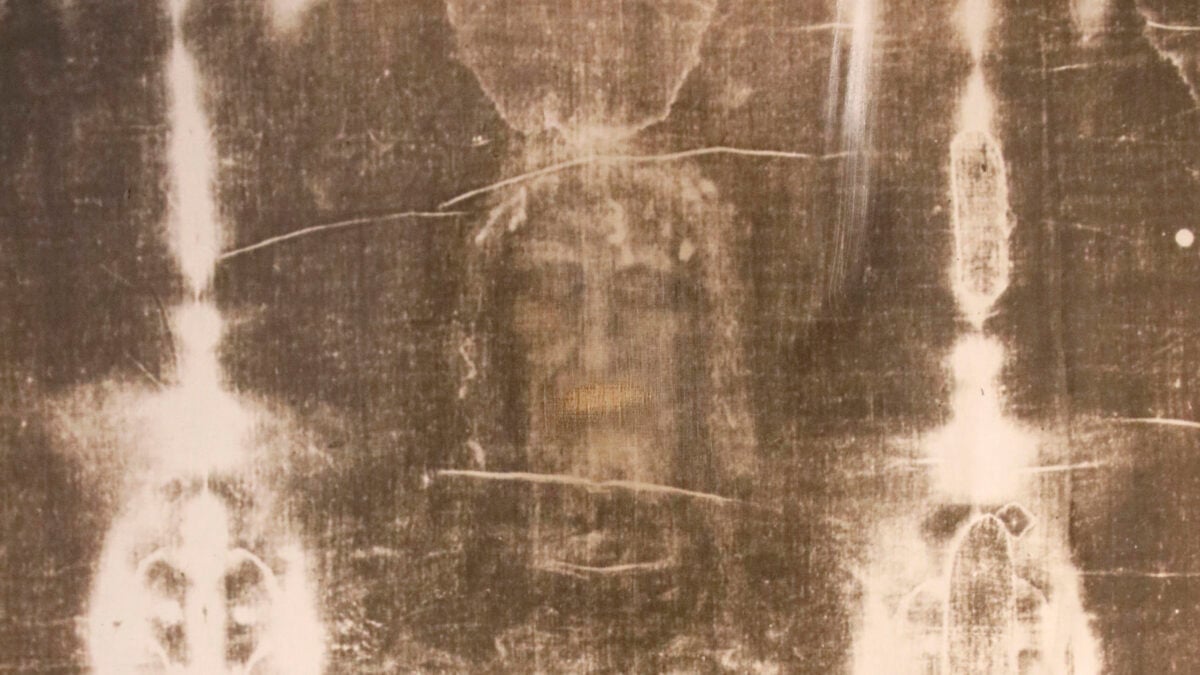
An international team of researchers used advanced metagenomic sequencing to analyze DNA samples from the Shroud of Turin, a famous religious artifact in Italy.
The study, published in Scientific Reports, examined samples originally collected in 1978 to track how human interaction and environmental exposure have affected the cloth over centuries. The researchers used a PCR-free method to identify genetic material without artificially copying DNA fragments.
This approach revealed DNA from multiple human lineages, including people from Europe and the Middle East. The team also found genetic material from various animals, such as dogs, cats, pigs, horses, cattle, and chickens. The analysis detected traces of Mediterranean red coral and various crops like wheat, maize, and potatoes.
Because maize and peanuts are American crops and bananas and oranges arrived in Europe via later trade routes, the researchers argue these traces indicate contamination from the Late Middle Ages or later. Much of the human DNA found matched the profile of Professor Pierluigi Baima Bollone, the man who collected the original samples. Separate radiocarbon testing on two threads from the reliquary dated them to between 1451 and 1800 CE.
These dates align with known periods when the Shroud was repaired, such as after a fire in Chambéry in 1534 and again in 1694. While the study does not confirm the age or authenticity of the Shroud, it provides a biological history of the object.
Selected and summarized by local AI How we work