Scientists reconstruct face of ancient human ancestor
Summary and headline written by AI from the source article. How we work
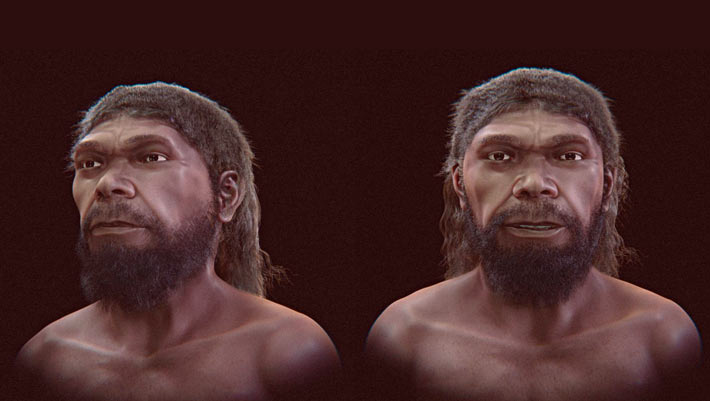
Researchers in Malaysia and India digitally recreated the face of a Homo sapiens individual who lived approximately 315,000 years ago in Jebel Irhoud, Morocco.
A mineral worker first discovered the skull in the 1960s, initially believing it belonged to an older hominin species. Subsequent dating studies revised the age of the remains, ultimately classifying the fossil, known as Irhoud 1, as the oldest known example of Homo sapiens.
The scientists used a 3D model of the skull assembled from multiple fossils found at the same archaeological site. They reshaped a CT scan of a modern human skull to match the ancient one, then added layers of tissue based on data from people with African ancestry. This process allowed them to create both a scientifically accurate grayscale image and a colored artistic depiction of what the individual may have looked like.
The reconstruction estimated the brain cavity’s volume at 1,364 milliliters, a measurement consistent with previous analyses of the fossil and within the typical range for modern humans. The researchers emphasized the value of open-source tools and transparent methods for studying ancient human remains, and hope their work will help the public connect with paleoanthropological discoveries.