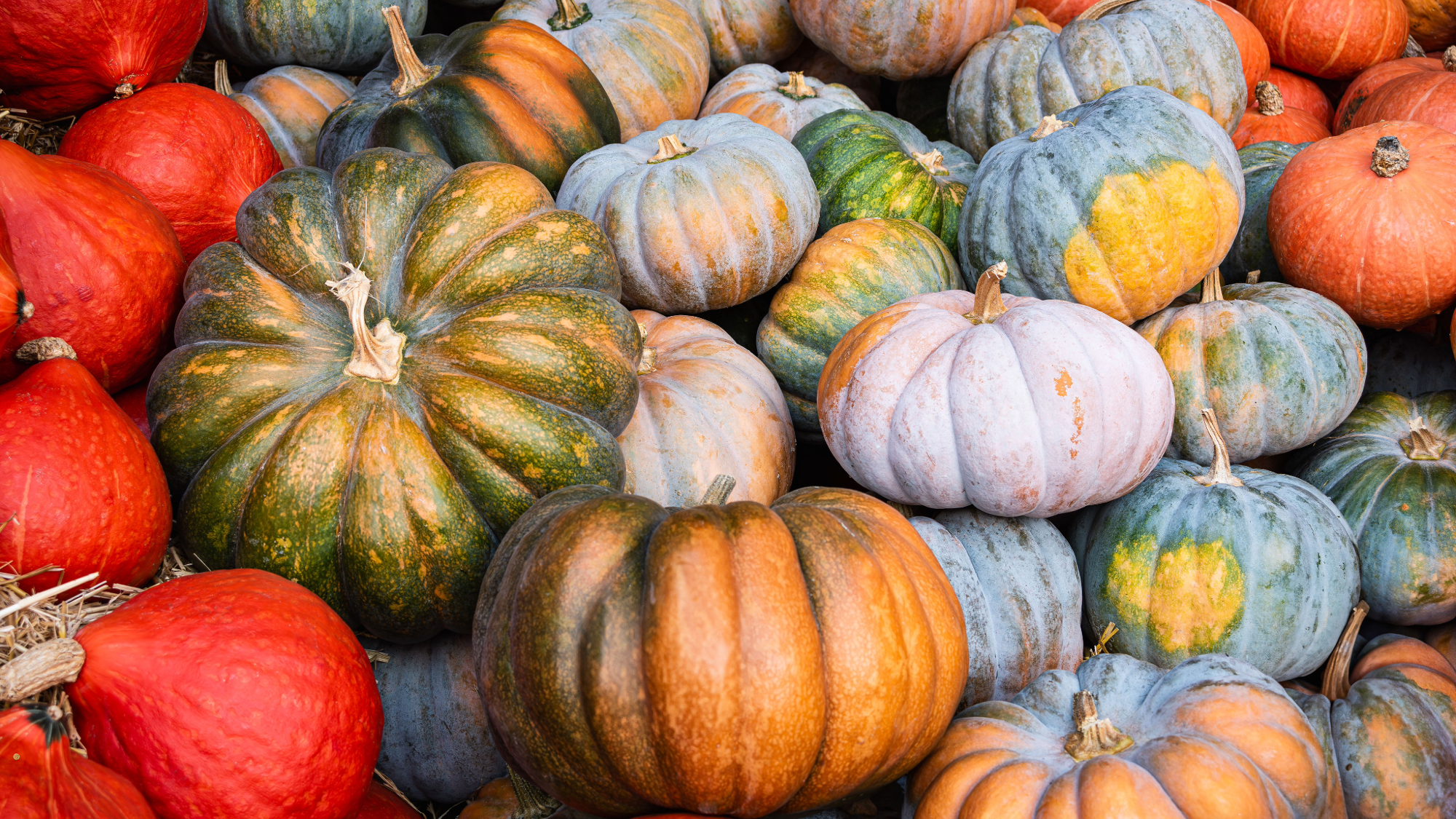
Pumpkins evolved from bitter wild plants to human food sources
Headline and summary by local AI
Logan Kistler, an anthropologist at the Smithsonian’s National Museum of Natural History, explains how pumpkins and other squashes evolved from toxic wild plants into common food items in the Americas.
The genus Cucurbita, which includes pumpkins and gourds, contains plants that are naturally very bitter in the wild. These plants produce cucurbitacins, which are some of the most bitter natural substances known to science.
While humans cannot eat these bitter compounds, paleontologists found evidence that mastodons, which were extinct elephant-like mammals, consumed these plants 30,000 years ago and spread the seeds through their feces. When these large animals went extinct, the plants lost their primary way of spreading. Kistler explains that the plants adapted to a new environment created by human settlements. To survive alongside people, the plants underwent an evolutionary change to become less toxic and more palatable.
This allowed humans to provide protection and care for the plants, which in turn helped the species spread. Humans began domesticating these plants in various ways across the Americas. In Mexico, people started domesticating the specific pumpkins used for Halloween about 10,000 years ago. In Florida, people used the plants as fishnet floats, while people in the southwestern United States used them as containers. These early interactions eventually led to the modern use of pumpkins for baking and decoration.
Selected and summarized by local AI How we work
Discovery: Archaeology, new knowledge of art, culture and history, forgotten history uncovered, something lost restored.