A dog led to the discovery of prehistoric cave art in France
Headline and summary by local AI
Marcel Ravidat and his dog, Robot, discovered the Lascaux cave in southwest France in 1940.
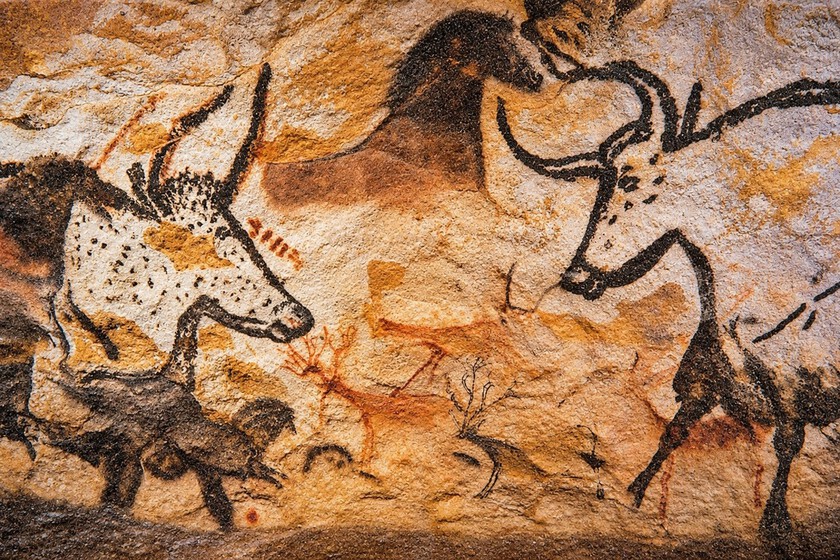
While walking near Montignac, the dog noticed a hole near a fallen tree. Ravidat and three friends later explored the site by descending a 15-meter well. They discovered walls covered in prehistoric paintings of horses, bulls, and deer that had remained hidden for over 17,000 years.
The discovery occurred during World War II, a time when France was occupied by Nazi Germany and divided into different administrative zones. Despite the wartime conditions, experts like Henri Breuil began excavating the site to study the paleolithic art. The cave contains more than 6,000 figures, including animals, humans, and abstract shapes painted in red, yellow, and black. The cave became a major tourist destination and was named a World Heritage site in 1979.
However, heavy foot traffic between 1948 and 1963 caused severe damage to the cave. Human presence and fungal growth led to the appearance of black spots and other environmental issues. Authorities closed the cave to the public in 1963 to preserve the art. Visitors now see replicas, such as Lascaux IV, which opened in 2016 to show the original paintings without endangering the site.
Selected and summarized by local AI How we work