Fossil discoveries in Portugal push back evolutionary timeline of algae

Headline and summary by local AI
Researchers discovered 18 species of charophyte fossils in the Algarve region of southern Portugal, revealing that certain algae expanded much earlier than previously known.
The team collected 120 kg of rock and clay from Praia da Luz and transported the samples to Barcelona for analysis. By examining these microscopic fossils, the scientists identified several new species and pushed back the known timeline for the diversification of the Characeae family.
The study revealed that the genus Lychnothamnus appeared in rocks dating back 115 million years, despite previous records only showing the genus in rocks from 80 million years ago. Scientists also found Nitellopsis fossils that are much smaller than previously recorded specimens. Additionally, the researchers identified a new genus called Acroleptochara, which features thinner apical cells at the tips of plant roots and shoots.
These findings suggest that the Characeae family began to expand approximately 30 million years earlier than the previous scientific consensus. The researchers hypothesize that a short cold period about 115 million years ago caused sea levels to drop and created continental lakes. These environments allowed the algae to thrive and diversify while the Clavatoraceae family was still dominant.
Selected and summarized by local AI How we work
Discovery: Archaeology, new knowledge of art, culture and history, forgotten history uncovered, something lost restored.
More in Discovery

Scottish castles association launches archive to track heritage changes
bbc.co.uk · 14 Nov 2026
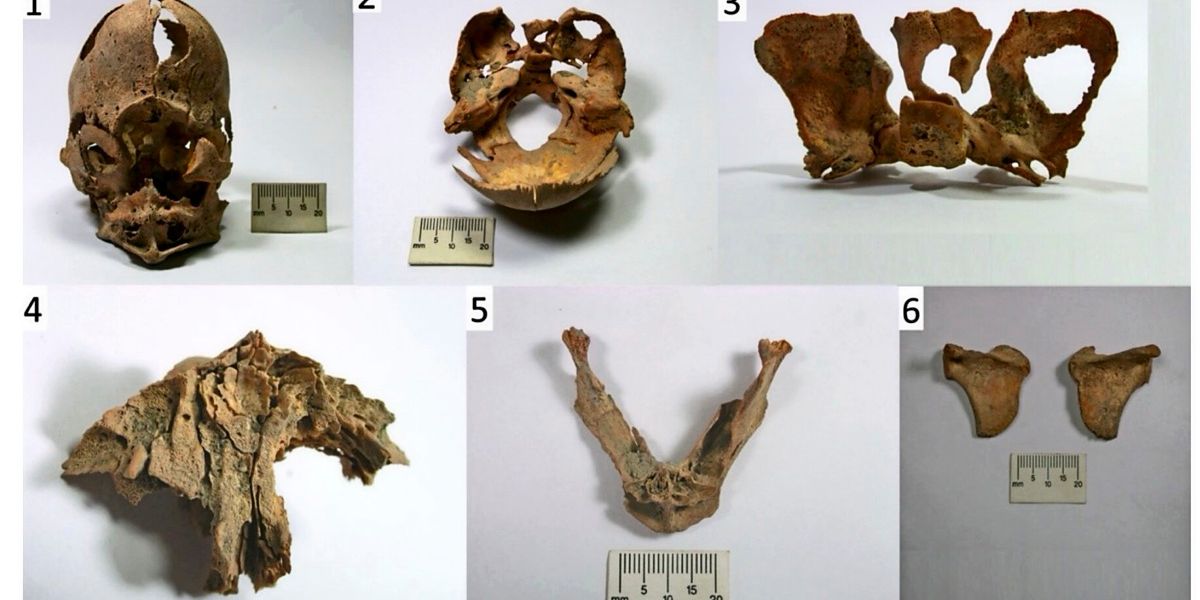
Scientists identify cause of bone malformation in ancient Peruvian child
derstandard.at · 15 Nov 2026

Artificial intelligence maps expert definitions of life across conceptual gradients
bioengineer.org · 23 Nov 2026