Antarctic field equipment moves microbes between isolated valleys
Headline and summary by local AI
Researchers at the University of Waikato found that boots, helicopters, and field equipment help microscopic organisms travel between isolated areas of Antarctica.
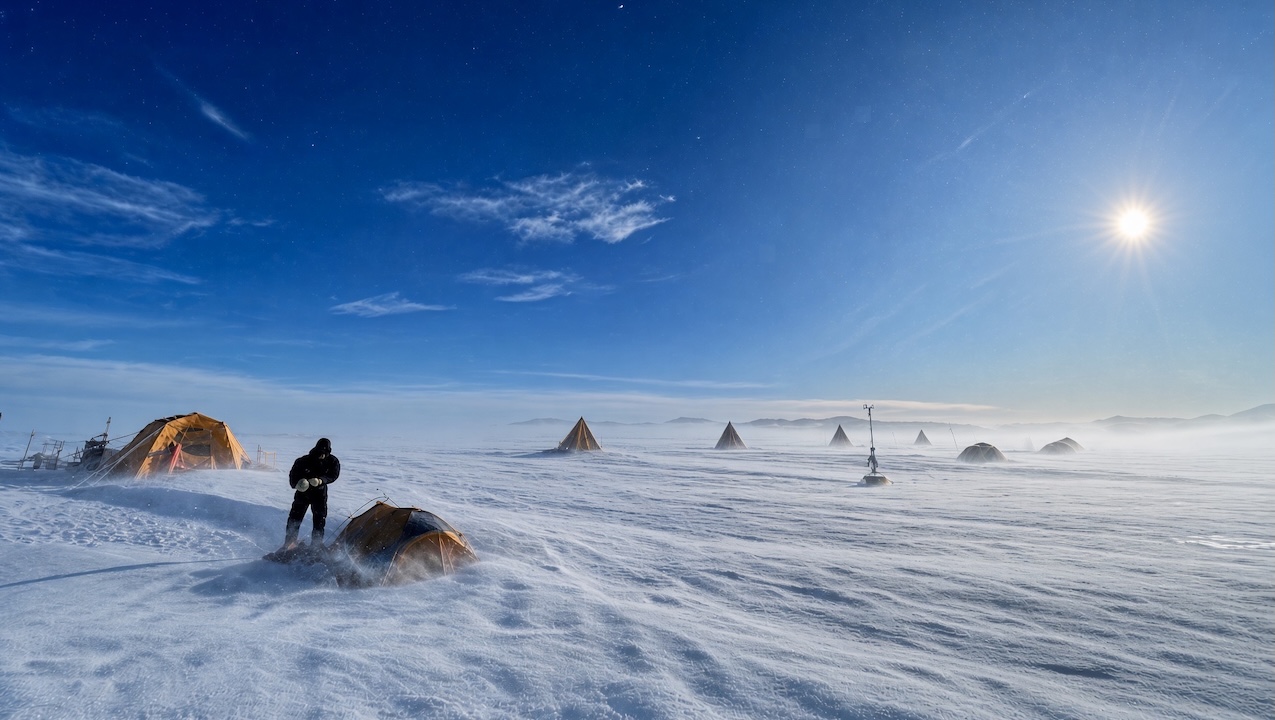
Dr Ang McGaughran and her team studied the McMurdo Dry Valleys, a large ice-free region where extreme conditions normally keep different microbial communities separate. The team collected soil samples and DNA swabs from boots, helicopter skids, tents, and equipment boxes during the 2024 to 25 Antarctic summer.
They analyzed these samples at the University of Waikato’s containment facilities in Hamilton to see if human activities were redistributing microbial material. The study found that human movements create pathways that link once-disconnected environments, which could lead to a loss of unique biodiversity and lower ecosystem resilience. The findings showed that helicopter skids carried a high proportion of microbial variants from other sites.
The team also discovered that while cleaning equipment changed the microbial signatures, it did not remove all shared DNA. Dr Ang McGaughran says the results suggest that human field operations are moving microscopic DNA between sites. Future research will focus on whether these microbes can survive the journey and establish themselves in new locations.
Selected and summarized by local AI How we work
Discovery: Archaeology, new knowledge of art, culture and history, forgotten history uncovered, something lost restored.