Analysis of 6,000 year old remains shows hunter-gatherer adopting farming habits

Headline and summary by local AI
Researchers from the University of Gothenburg and the Leibniz Centre for Archaeology analyzed the skeletal remains of Rødhals Man, a 6,000-year-old hunter-gatherer from the Danish island of Sejerø.
The team examined carbon and nitrogen isotopes in the man's bones and teeth to reconstruct his diet and lifestyle during the Mesolithic period. The study found that Rødhals Man primarily ate marine fish, shellfish, flatfish, and eels during his childhood.
However, his diet shifted in adolescence to include more protein from land sources. The researchers believe these land foods likely came from the early farmers who were appearing in Denmark at that time, as the man stopped eating the freshwater fish typically consumed by inland hunter-gatherers. The team also observed that the burial of Rødhals Man used a stone frame, a practice similar to those of the first farmers.
These findings suggest that while he maintained many traditions of his ancestors, he may have adopted some behaviors from the neighboring farming communities.
Selected and summarized by local AI How we work
More in Discovery
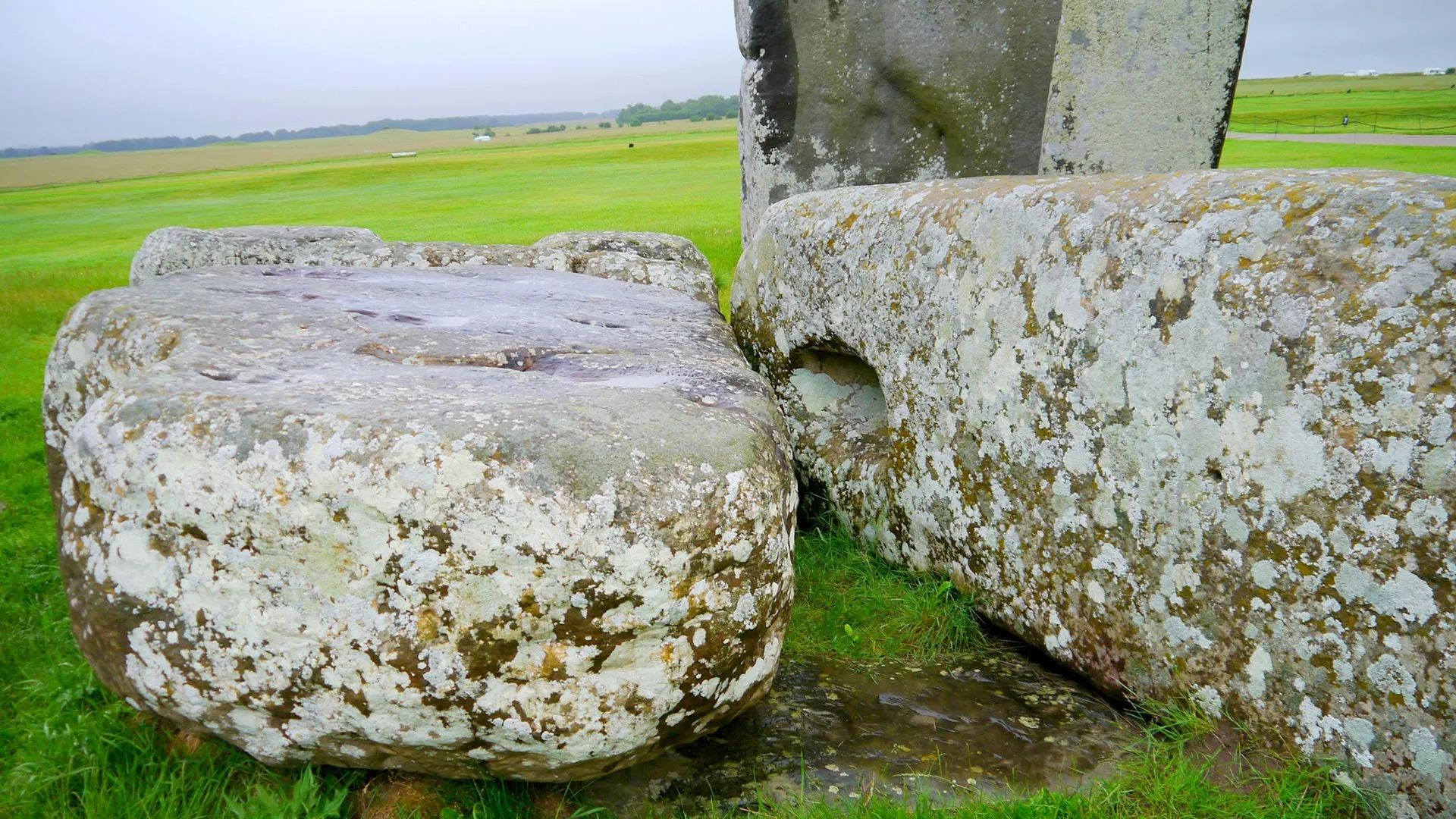
Scientists narrow search for the origin of Stonehenge Altar Stone
sciencedaily.com · 19 Nov 2026

Ecologist Jennifer Grenz studies Indigenous stewardship to aid post-fire recovery
sciencenews.org · 21 Nov 2026

New parallel corpus improves machine translation for Zarma language
arxiv.org · 25 Nov 2026