Scientists narrow search for the origin of Stonehenge Altar Stone
Headline and summary by local AI
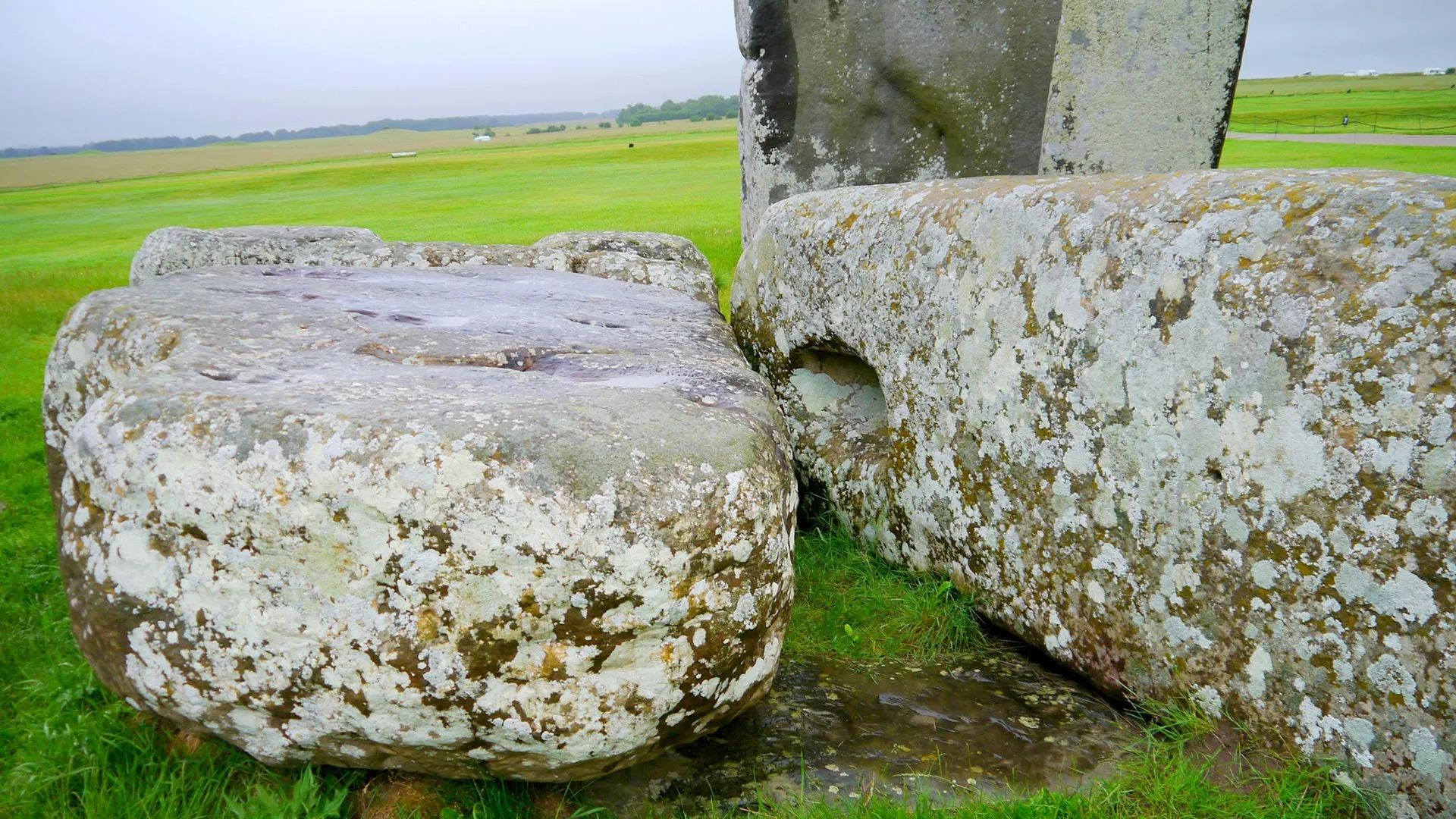
An international team of scientists conducted a geological investigation to determine the origin of the Altar Stone, a six-ton sandstone slab at Stonehenge in southern England.
The researchers analyzed the stone's physical structure, mineral content, chemical composition, and isotopic signatures to create a unique geological fingerprint. The study, published in the Journal of the Geological Society, overturned a century-old belief that the stone came from Wales. Previous research had suggested northeastern Scotland as a more likely source.
This new investigation refined that search by testing specific rock formations in the Orcadian Basin of northeastern Scotland. While the team did not find an exact match for the Altar Stone's unique characteristics in those locations, they successfully ruled out several other potential sources. Researchers say these findings help them focus future efforts on the most promising areas. Identifying the stone's original location could explain how prehistoric communities transported massive materials over long distances.
The builders of Stonehenge moved smaller bluestones roughly 225 kilometers from western Wales, but a Scottish origin for the Altar Stone would imply a much longer journey. The team believes the new geological data will eventually help reveal the engineering and organizational methods used by these ancient people.
Selected and summarized by local AI How we work


