Artificial light transformed human activity by ending the dominance of night
Headline and summary by local AI
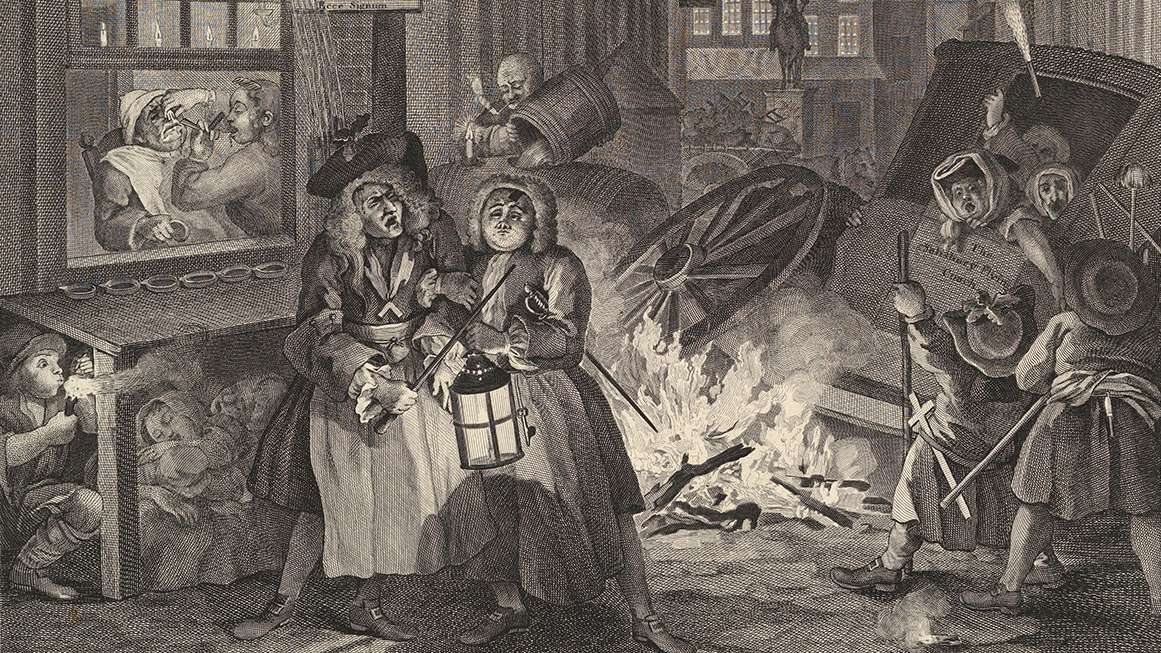
Humanity began to conquer the darkness of the preindustrial world through the development of artificial lighting. Historically, cities and villages remained nearly as dark as forests because indoor light sources like candles and lamps provided very limited visibility.
Cities and towns started to make public spaces usable after dark during the 18th century. Before this period, street lighting was almost nonexistent in places such as Renaissance Florence and imperial Rome.
The shift toward accessible light expanded available working hours and created a night that people could travel through safely. Jane Brox describes how these technological shifts turned the night from an impenetrable void into a time for free activity. This transition allowed people to move beyond the restrictions of small, precious flames and expanded the possibilities of human life after sunset.
Selected and summarized by local AI How we work
More in Discovery

Turkish novel Madonna in a Fur coat gains popularity among young adults
scroll.in · 22 Nov 2026

Analysis of 6,000 year old remains shows hunter-gatherer adopting farming habits
archaeology.org · 17 Nov 2026

Researchers discover sesame and moringa in ancient Egyptian paint
sciencenews.dk · 17 Nov 2026