Humanitarian partners reach 80 percent of health target in northern Mozambique
Headline and summary by local AI
Humanitarian partners reached 327,429 people in northern Mozambique by October to provide essential health services.
The Health Cluster, a coordination mechanism led by the World Health Organization (WHO), reported that these efforts have reached approximately 80 percent of the annual target for the 2026 Humanitarian Response Plan. The health response operates in a region facing a complex situation caused by a prolonged armed insurgency since 2017, population displacements, and extreme climate events.
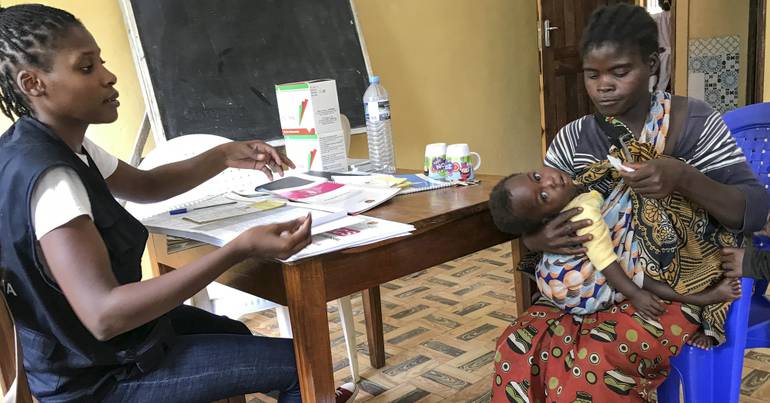
These factors have damaged infrastructure and increased the risk of waterborne diseases. To address these needs, partners conducted 18,997 primary healthcare consultations and supported 89 mobile clinics in areas affected by conflict and climate shocks during the month of October. The WHO supported the reopening of three health units in the provinces of Cabo Delgado and Niassa by installing emergency tents to replace damaged buildings.
In the Chiúre district of Cabo Delgado, the units in Mala and Mazeze resumed operations, while services returned to Marrupa in Niassa. Other organizations provided specific support, such as the International Organization for Migration (IOM), which delivered primary health and mental health consultations, and Ação Contra a Fome (ACF), which treated children for malnutrition. Despite these achievements, the health sector faces a funding gap of 6.49 million dollars.
The report states that the current response is only 60 percent funded against a total appeal of 16.36 million dollars. Partners also face ongoing challenges including insecurity and difficulties reaching remote communities.
Selected and summarized by local AI How we work