Asian Development Bank project expands water access in Karakalpakstan
Headline and summary by local AI
The Asian Development Bank is implementing a US$172.3 million project to expand piped drinking water access to six rural districts in Karakalpakstan, Uzbekistan.
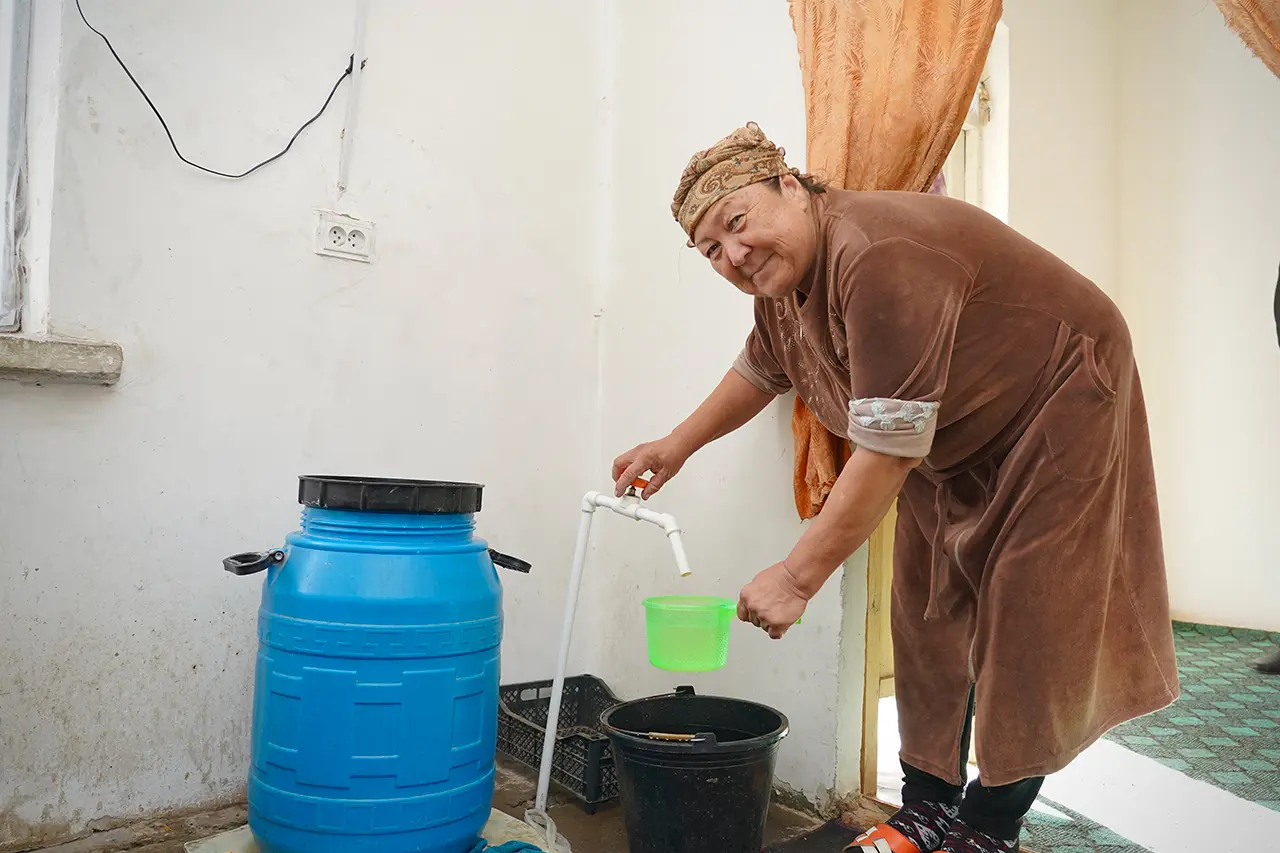
The initiative aims to provide 326,000 residents with round-the-clock water supplies. This project addresses a historical shortage where many rural households previously relied on manual wells, carts, or canal water. The project involves building or reconstructing three water treatment plants, 300 kilometres of main pipelines, and 900 kilometres of distribution networks.
In the Nukus district, a specific US$11.4 million component of the project has already increased centralized water access from 68.4% to 89.7%. This work includes new laboratories that allow staff to test water quality on-site in about one hour, replacing a system where workers previously traveled 20 kilometres to deliver samples for testing. The initiative also addresses severe environmental challenges in the Aral Sea region, where groundwater is often salty and surface water is scarce.
Officials from Karakalpakstan Suv Taminoti JSC state that 75.1% of the republic's population now has access to centralized water supply. The project also includes a training centre for utility specialists and a system for monitoring water losses and processing public complaints. Future cooperation with the bank will focus on sewerage and building a new treatment plant in Nukus.
Selected and summarized by local AI How we work
Solutions: Technology, policy and initiatives already in use against a real problem, with results to show.