Archeologists discover massive underground city in Turkey
Headline and summary by local AI
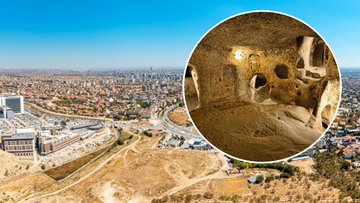
Archeologists in Konya, Turkey, have uncovered a vast underground settlement named Sarayini, which was carved into rock over a thousand years ago.
The site, located beneath the town of Sarayönü, dates back to the 8th century. Local Christians used the complex as a refuge during 150 years of continuous raids. The site covers approximately 20,000 square meters and contains 41 identified rooms, including chapels, bakeries, stables, and workshops. Researchers discovered that the settlement is part of a much larger network.
Using ground-penetrating radar, Hasan Uğuz, an archeologist from the Konya Museum Directorate, identified a second connected city one kilometer to the north. This discovery suggests the underground network is significantly larger than first estimated. The underground city featured advanced infrastructure, including ventilation systems, chimneys, and wells. Archeologists found a large cistern with an area of 63 square meters. They estimate that this water source, combined with the well system, could have supported about 20,000 people.
Davide Tanasi, an archeologist from the University of Florida, noted that the complexity of the construction suggests a planned economy rather than a temporary hiding place. The site remains closed to tourists while archeologists continue excavation and preservation work.
Selected and summarized by local AI How we work