Scholars analyze the historical roots and craft of Algerian zellige tilework
Headline and summary by local AI
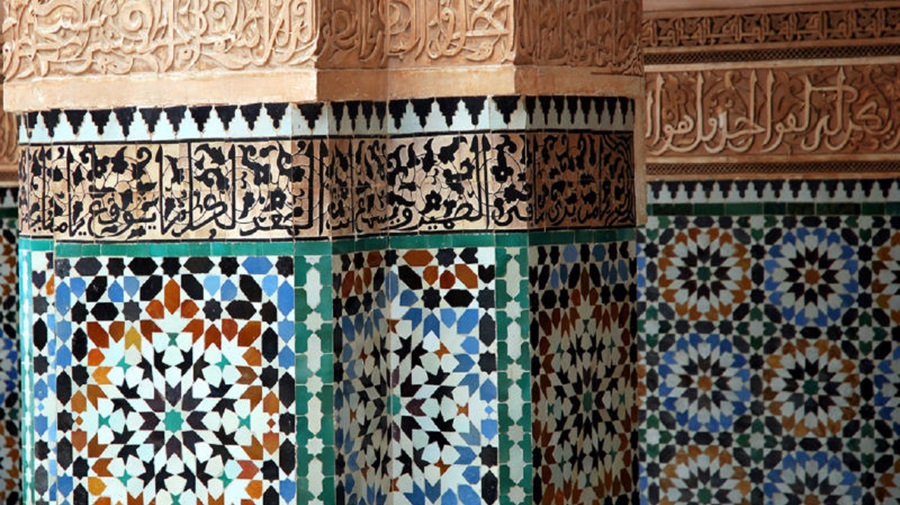
Researchers and museum curators held a scientific meeting at the Musée public national Ahmed-Zabana in Oran, Algeria, to examine the history of zellige, a traditional Islamic architectural tilework.
The event focused on how these tiles represent the evolution of local craftsmanship and industrial arts throughout Algerian history. Professor Abdeljalil Mohamed Cheikhi presented a study tracing the development of zellige from the Hammadide and Zianide periods.
He used archaeological remains from sites like the Kalaâ des Beni Hammad and the Mechouar citadel to illustrate how the art form changed over centuries. Curator Fawzia Medjdoub also spoke about the specific ceramic tiles kept at the museum, describing the materials, glazing techniques, and the variety of colors and geometric patterns found in the collection. Other experts, including Mohamed Attar and Houria Bensalah, detailed the production process of Zianide zellige.
They explained how artisans prepare clay paste, shape and fire the tiles, apply glazes, and cut them into precise shapes for assembly. These tiles appear in historic mosques, palaces, and schools across the region. The meeting concluded with a discussion on the need for further research to document these manufacturing techniques and preserve artisanal skills for future generations.
Selected and summarized by local AI How we work
Discovery: Archaeology, new knowledge of art, culture and history, forgotten history uncovered, something lost restored.
More in Discovery

Tove Jansson's Tolkien illustrations reach English readers for the first time
scroll.in · 23 Nov 2026

A Tamil devotional poem becomes the first Tamil song nominated for a Grammy
indianexpress.com · 16 Nov 2026
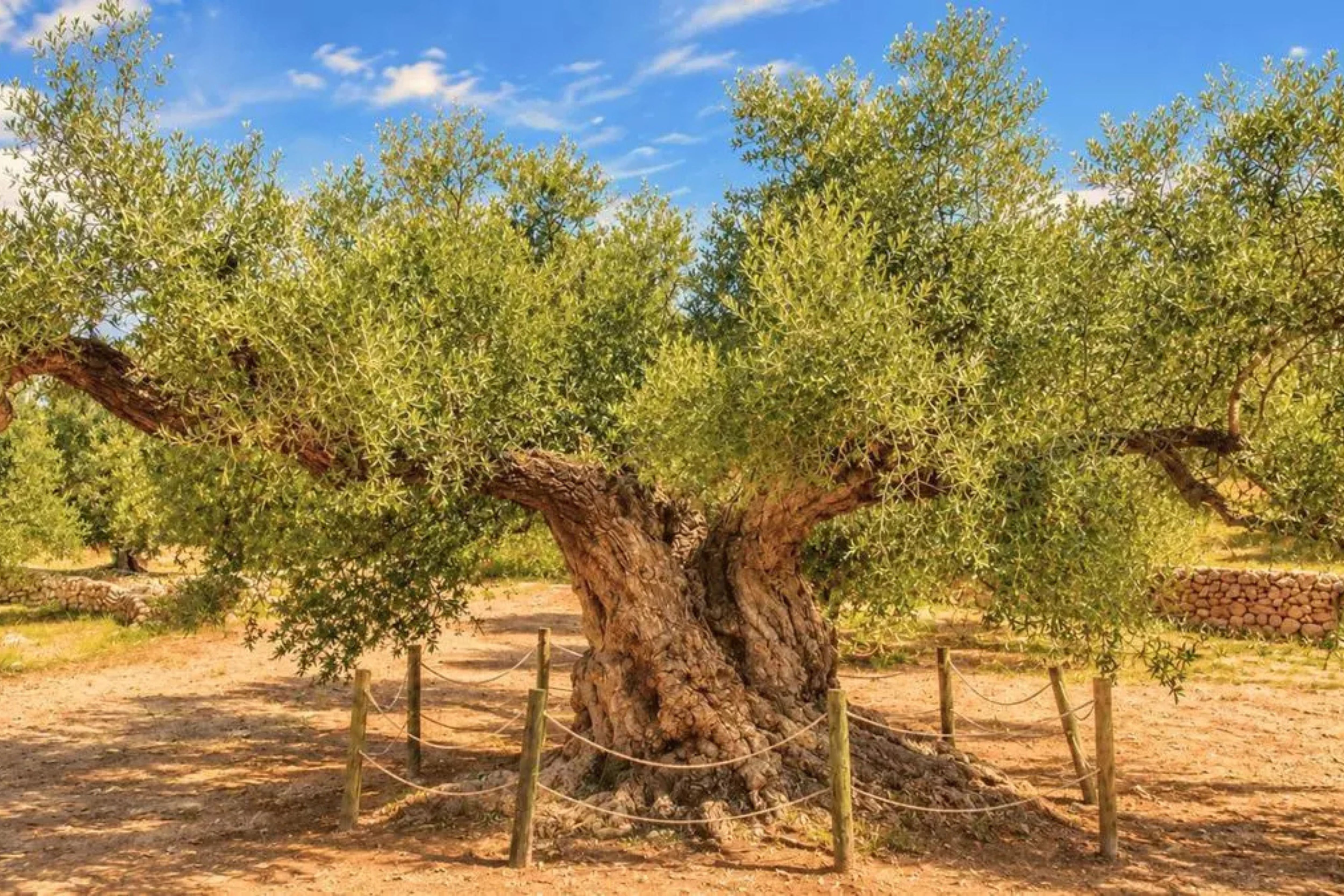
An olive tree from the Roman Empire still produces fruit in Spain
lanacion.com.ar · 21 Nov 2026